
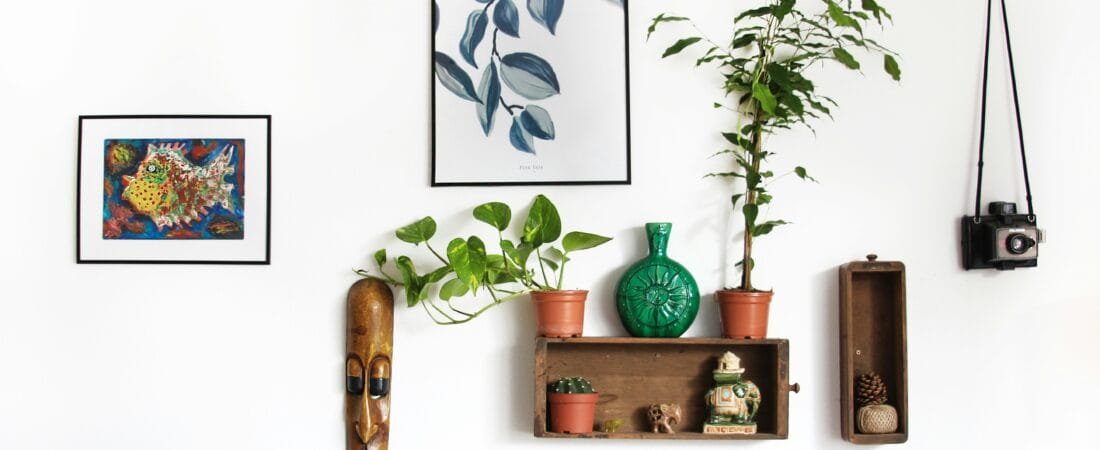
I moved into a new home a few years ago, and looking at the blank walls and empty space seemed a bit daunting. I was no interior designer. Honestly, I had very little decoration experience. I did, however, have a desire to breathe life into the space. I wanted to make it uniquely mine in color, furniture, and decor. So I did what I knew best as a newly minted graduate: looked into Psychology research along with basic interior design articles.
Soon enough, I had paint splatters all over my clothes from painting the walls, freshly arranged furniture, and decoration pieces that were simple but added a cozy, personal touch to my space, and best of all: it was so much easier than I thought! Doing the work was intimidating, but careful planning and preparation made it a million times easier.
Here’s what I learned from this experience. If you want your home to feel calmer, more nourishing, and better tuned to your wellbeing, three simple areas matter most: color psychology, natural textures, and wellbeing-centered layout. Each of these pieces is easy to apply and grounded in real research.
Color shapes mood, but context is everything
Color is not magic, but it is influential. Studies show that color affects mood, perception and even task performance. Different hues can cue feelings of calm, energy or focus depending on context and individual experience. In short, color can shape the emotional tone of a room when used thoughtfully.
Here are some practical places to start: choose soft, muted colors for bedrooms and reading nooks to promote relaxation. Use warm, energizing accents like golden yellow or terracotta in kitchens or dining areas where you want sociability and appetite. In flexible rooms, use color to create visual zones so each part of the room signals a different use.
A quick rule of thumb here is to pick a dominant neutral, a secondary color to set mood, and one or two accent colors to lift the design. This gives you balance and reduces the visual noise that often leads to stress.
Natural textures deliver quiet, steady benefits
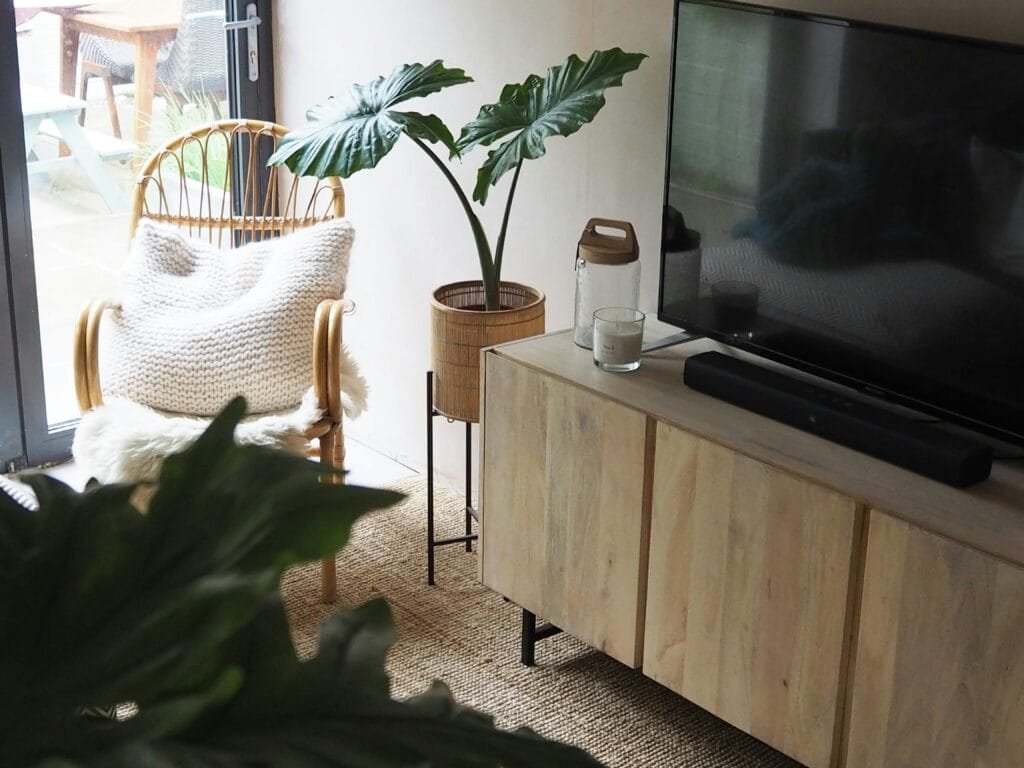
Natural materials invite the body to relax. Wood grain underfoot, a linen throw across the sofa, or a jute rug under your feet do more than look nice. They connect us to nature in subtle ways and reduce stress responses. Research on biophilic design finds that spaces with natural elements lead to lower heart rate and better psychological wellbeing. Using honest materials and tactile surfaces can anchor a room in comfort and calm.
Simple swaps also matter! Instead of a synthetic throw, try linen or cotton. Choose a wood side table instead of lacquered MDF, and add a mix of potted plants and natural-fiber baskets. These tactile choices make a space feel lived in, human, and welcoming.
Layouts that support wellbeing
How furniture is placed changes how people behave. Rooms that invite movement and conversation help people relax. Research in environmental and architectural psychology shows that layouts which balance prospect and refuge, allow clear circulation, and offer privacy when needed, support better mental health and social interaction. Thoughtful zoning helps a living room be both restful and social, depending on the time of day.
Start by creating pathways that feel natural and avoid blocking sightlines. Group seating so faces can turn toward one another. Offer small, quiet corners for reading or reflection. When possible, orient key seating toward natural light or a view. These choices can promote rest and connection without overt effort.
How these three elements work together
Color sets emotional tone. Texture invites the body to stay. Layout enables interaction and rest. Together they form a kind of emotional architecture that supports everyday life. For example, a softly hued living room with warm wood tones and a layout that promotes conversation can help reduce social friction during family gatherings. A bedroom painted in muted blues with linen bedding and a clear path to the door signals safety and sleep readiness.
Research supports this integrated approach. Biophilic features, considered alongside thoughtful color and layout, produce measurable benefits in stress reduction and cognitive restoration. That means your small design decisions can have real effects on how you feel day to day.
Practical decorating steps with intent
- Start with intention
Ask what you want people to feel in each room. Do you want calm, creativity, sociability or rest? Let that answer guide color and material choices. - Pick a palette that supports the mood
Choose one dominant neutral and one mood-setting color. Add an accent color for contrast and life. - Layer natural textures
Mix soft textiles, a natural rug, wood, stone or woven elements. These materials age beautifully and invite touch. - Think in zones
Even in small rooms you can create zones: a reading corner, a conversation area, a workspace. Use rugs and lighting to define them. - Prioritize light and sightlines
Maximize daylight. If privacy is needed, use sheer window treatments that filter light without blocking it completely. - Add living elements
Plants and fresh flowers act as living accents, improving air quality and offering a gentle visual pause. - Edit regularly
A happier home is a curated home. Rotate objects, purge what no longer fits, and keep surfaces grounded with a few meaningful items rather than clutter.
Real examples you can borrow tonight
- Paint the bedroom a soft green or blue to support calm. Green often relates to renewal and has restorative associations with nature.
- Swap out one synthetic throw for a linen option and add a woven basket for magazines. The tactile change will be immediately noticeable.
- Move seating so people face each other slightly. Try angling a chair toward the sofa to create easier conversation without forcing proximity.
Design with Intent
Decorating with intent is really an act of kindness toward yourself and the people who share your space. It does not need to be expensive or require a complete remodel. Small, consistent choices about color, texture, and layout create a home that supports rest, creativity, and connection.
Disclaimer: All decorating ideas and home advice shared on this blog are based on personal taste, style, and experience. Results may vary depending on materials, tools, and individual preferences. Always use caution when using tools or altering your living space, and consult professionals when needed.