
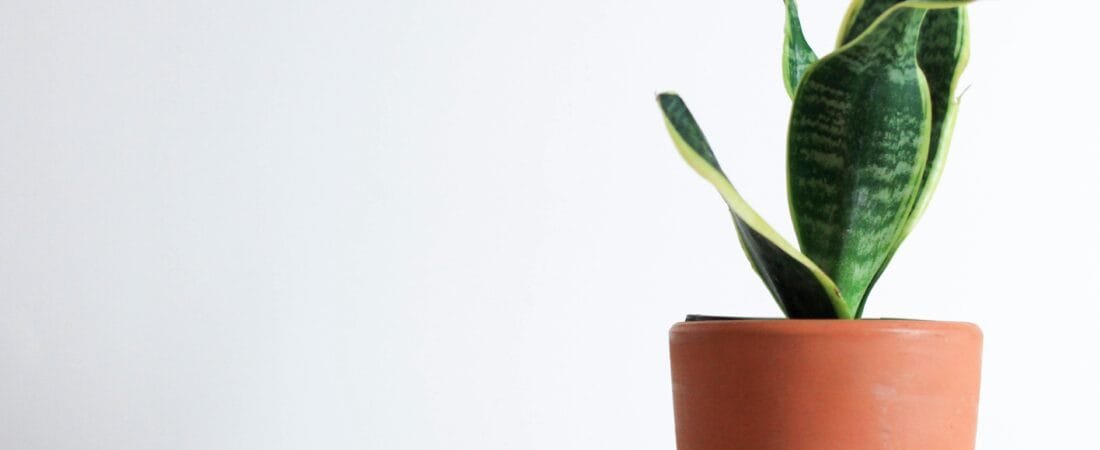
Snake plants (also known as Sansevieria) have a reputation for being nearly indestructible. Honestly, that reputation is well-earned.
They tolerate:
- Low light
- Inconsistent watering
- Dry indoor air
In fact, they’re often recommended as one of the easiest houseplants for beginners because they can adapt to a wide range of indoor conditions.
But here’s the thing most people don’t realize right away: “Low maintenance” doesn’t mean “no care.” It just means the care can be simple and the plant can be forgiving.
With that said, here’s a crash course in snake plant care.
Light Matters More Than You Think
Snake plants can survive in low light, but they don’t necessarily thrive there. When given bright, indirect light, they grow stronger, taller, and more vibrant.
Think of it like this:
- Low light = survival mode
- Bright, indirect light = growth mode
A spot near a window (with filtered sunlight) is often the sweet spot.
If your plant starts leaning or looking a little uneven, rotate it every few weeks so it grows evenly.
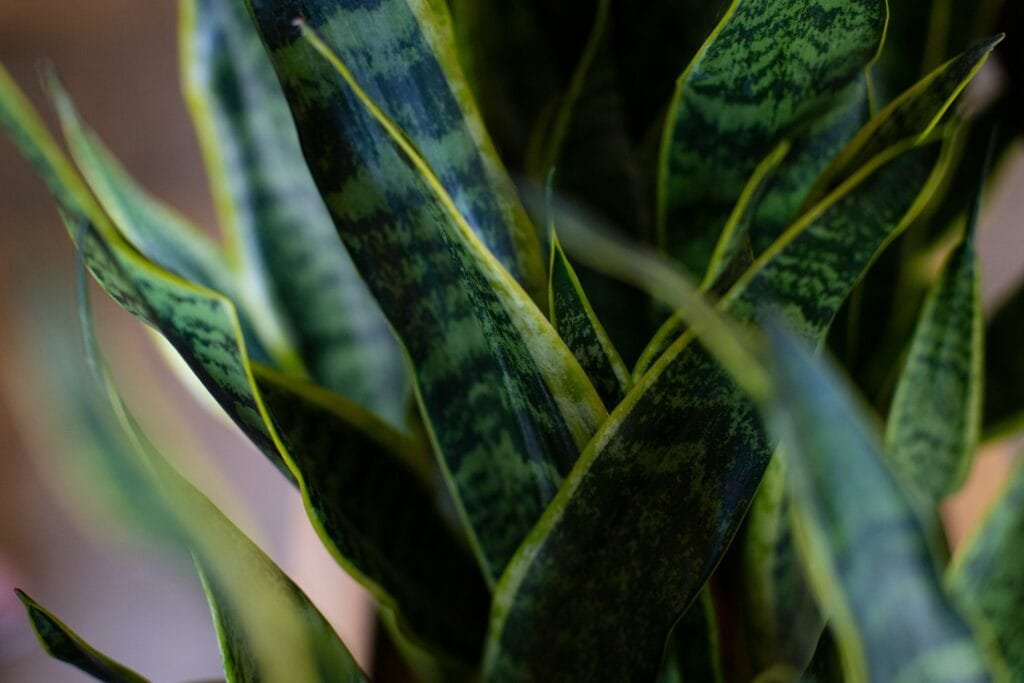
Watering: Where Most People Get It Wrong
If you take one thing from this entire guide, let it be this: Snake plants don’t like to be overwatered.
Because they store water in their thick leaves (like succulents), they prefer their soil to dry out completely between waterings.
Overwatering is actually the number one reason snake plants struggle or die. A quick tip is not to water by the calendar, but instead by the soil moisture.
Instead of sticking to a strict schedule, you can stick your finger into the soil. If it’s dry a couple inches down, then water it. If it’s not dry yet, then wait.
Soil, Pots, and the “Let It Breathe” Rule
Snake plants don’t like to sit in moisture.
That’s why:
- Well-draining soil (like cactus or succulent mix) is essential
- Pots should always have drainage holes
This prevents root rot, which is often caused by water sitting at the bottom of the pot.
Temperature, Air, and Real-Life Homes
One of the reasons snake plants fit so naturally into our lives is that they don’t need anything fancy.
They’re happy in normal indoor temperatures (around 60–85°F) and average household humidity.
This is part of why snake plants are perfect for beginners. They don’t need their own enclosure for humidity or need to be misted every day. Just your home, as is, is a perfect environment.
The Small Habits That Make a Big Difference
Sometimes, it’s the simplest things that go the furthest:
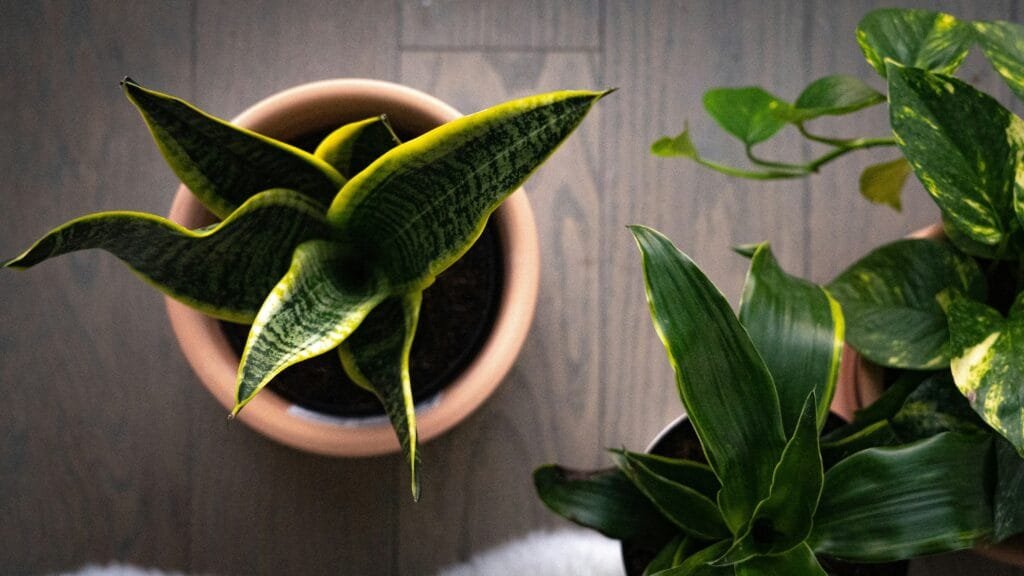
- Wiping dust off the leaves helps them absorb light better
- Rotating the plant keeps growth balanced
- Checking soil instead of guessing prevents overwatering
What Real People Get Wrong
One of the most relatable things about plant care is that almost everyone gets it wrong at first.
Here are some common mistakes for first-time snake plant owners:
- People tend to water too often
- They underestimate how much light helps
- They assume more care = better care
Final Thoughts
If you’re just starting your plant journey—or even if you’re starting over—let this be the approach:
- Give it light
- Don’t overwater
- Check in, but don’t hover
That’s it, nothing else that’s fancy about it. We genuinely hope that you find this quick guide useful for your indoor garden!
Disclaimer: Gardening advice on this site is shared for educational and recreational purposes only. Local climate, soil, and environmental factors can affect outcomes. Please research region-specific practices and consult gardening experts for personalized advice.
You Might Also Like:
The Easiest Herbs to Grow: A Beginner’s Guide to Low-Maintenance Greenery
Gardening in Small Spaces: Tips & Tricks for Dorm Rooms, Apartments, and Tiny Homes