
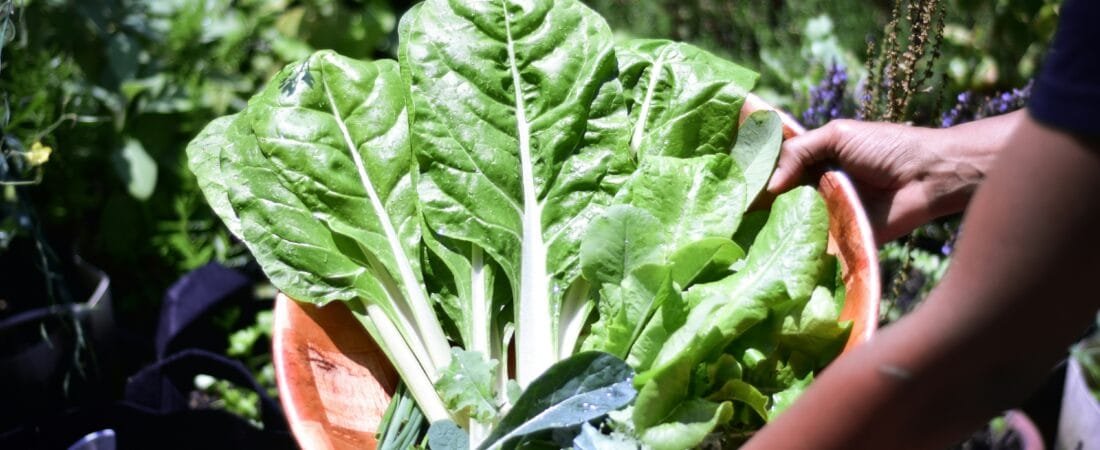
When you hear the word “superfood,” it’s easy to picture something rare, expensive, or tucked away in a specialty health store. The truth is much simpler.
Superfoods aren’t some exclusive category of hard-to-find ingredients. They’re simply foods that are rich in nutrients, vitamins, minerals, and antioxidants. Many of them are already sitting in your local grocery store!
Getting a wide variety of nutrients, vitamins, and minerals in your diet is crucial for optimal health. No single food has every nutrient your body needs, so rotating the same few fruits and veggies might leave you missing more than you might think.
Getting antioxidants are also beneficial for your body. Those antioxidants play an important role in neutralizing unstable molecules that naturally occur in the body (often referred to as free radicals), which can contribute to long-term health issues.
Before we dive into a few of the most common and budget-friendly superfoods, let’s take a step back and talk about something even more foundational: whole foods.
What Are Whole Foods?
Whole foods are foods that are minimally processed and close to their natural state. Think fruits, vegetables, whole grains, legumes, nuts, and unprocessed proteins. They haven’t been heavily altered, stripped of nutrients, or packed with additives.
When foods are highly processed, they can lose key nutrients and fiber while gaining excess sugars, sodium, and preservatives. Whole foods, on the other hand, tend to retain their natural nutritional profile, offering your body what it actually needs to function well.
According to sources like Cleveland Clinic, UC Davis, and Baylor College of Medicine, the term “superfood” isn’t a scientific classification. Instead, it’s commonly used to describe foods that are particularly nutrient-dense and beneficial to overall health.
In other words, superfoods are often just whole foods that pack a stronger nutritional punch.
Which means eating healthier doesn’t have to be complicated or expensive. It can start with simple, everyday choices. One example would be choosing spinach instead of iceberg lettuce as the base of your salad. Both are vegetables, but one provides a wider range of vitamins and minerals compared to the other.
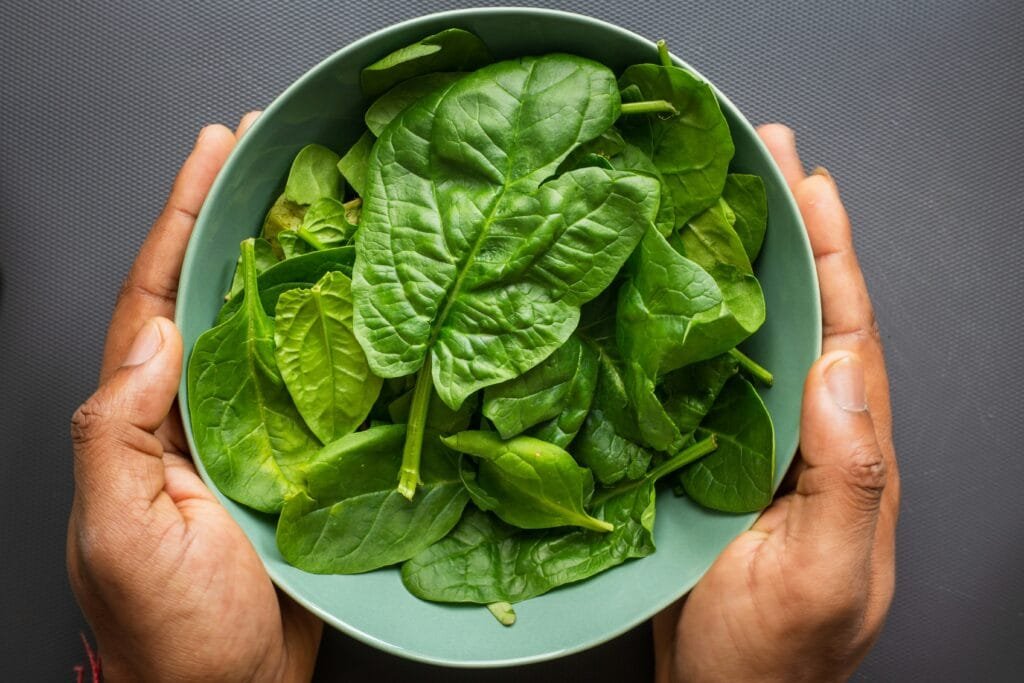
1. Spinach
Spinach is one of the easiest ways to upgrade your meals without overthinking it.
It’s packed with:
- Vitamins A, C, and K
- Iron
- Antioxidants that help fight cell damage
What makes spinach especially helpful is how easy it is to incorporate. You can add it to salads, blend it into smoothies and sauces, and even toss it into pasta or stir-fries! It’s a small swap that can make a meaningful difference for your health over time.
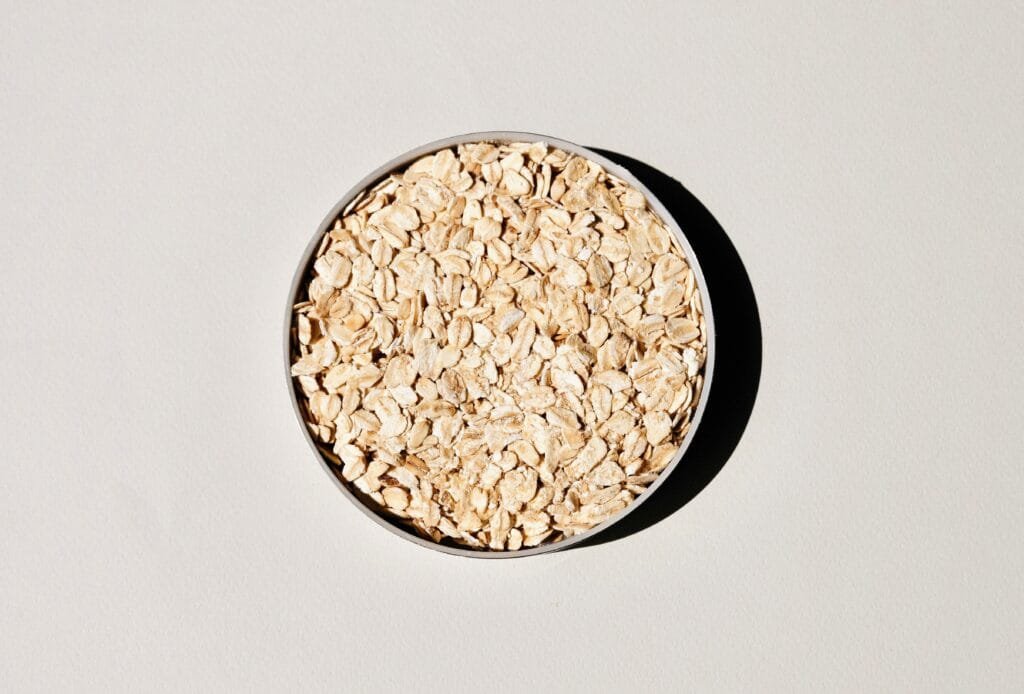
2. Oats
Oats are one of the most budget-friendly superfoods you can find, and they’re incredibly versatile.
They’re rich in:
- Soluble fiber (especially beta-glucan)
- Nutrients that support heart health
- Slow-digesting carbohydrates that keep you full longer
That fiber helps regulate blood sugar and supports cholesterol levels, making oats a great option for sustained energy throughout the day.
Whether it’s oatmeal, overnight oats, or even adding oats into smoothies or baking, this is one superfood that can stretch your weekly grocery budget.
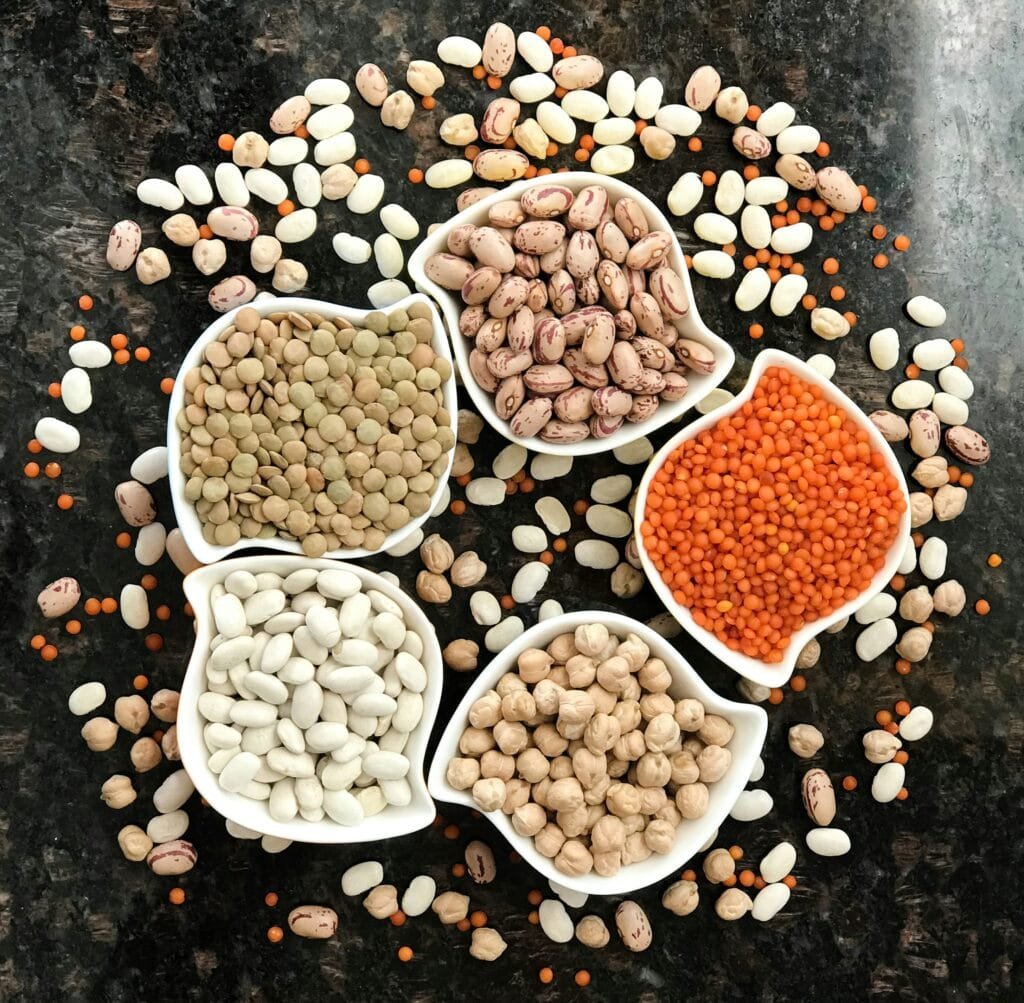
3. Beans and Lentils
Beans and lentils are often overlooked, but they’re some of the most nutritious and inexpensive foods available.
They’re packed with:
- Plant-based protein
- Fiber
- Iron and other essential minerals
They’re also incredibly filling, which makes them a great option if you’re trying to eat well while staying within a budget.
They’re shelf-stable, which is a fantastic added benefit. Whether they’re dry or canned, they’re perfect for storing; this makes them easier to build meals around them without worrying about food waste.

4. Eggs
Eggs are one of the most accessible sources of high-quality protein.
They contain:
- All essential amino acids (making them a complete protein)
- Vitamins like B12 and D
- Nutrients that support brain health, such as choline
They’re also quick to prepare and incredibly versatile.
Whether you’re scrambling them, boiling them, or adding them to other dishes, eggs provide a strong nutritional foundation without requiring much effort.

5. Bananas
Bananas are one of the most convenient superfoods out there.
They’re rich in:
- Potassium (important for muscle and nerve function)
- Vitamin B6
- Natural carbohydrates for quick energy
They’re also easy to grab on the go, with no preparation required.
Bananas can support energy levels, especially when paired with protein or healthy fats for a more balanced snack.
Final Thoughts
It’s easy to get caught up in food trends. There’s always some new powders, specialty ingredients, or expensive health products that promise quick results.
But the foundation of good nutrition often comes back to something much simpler, and that’s making a habit of choosing whole, nutrient-dense foods. Maybe it looks like adding spinach to one meal a day, swapping a processed breakfast for oats, or even incorporating beans into a weekly meal.
But, over time, small choices like these can support:
- Better energy levels
- Improved digestion
- Stronger overall health
All in all, making better choices can be simpler than we’re led to believe. We don’t need to go to an expensive specialty store to find the latest trending health food. Simply adding or substituting ingredients to your weekday meals, and rotating your nutrients is perfect.
Disclaimer: The recipes and nutritional content shared on this blog are based on personal experience and general wellness principles. They are not intended to diagnose, treat, cure, or prevent any health condition. Please consult with a healthcare provider or registered dietitian before making any significant dietary changes, especially if you have allergies or health conditions.
You Might Also Like:
Mindful Eating: The Simple Practice That Changes How You Live at the Table