
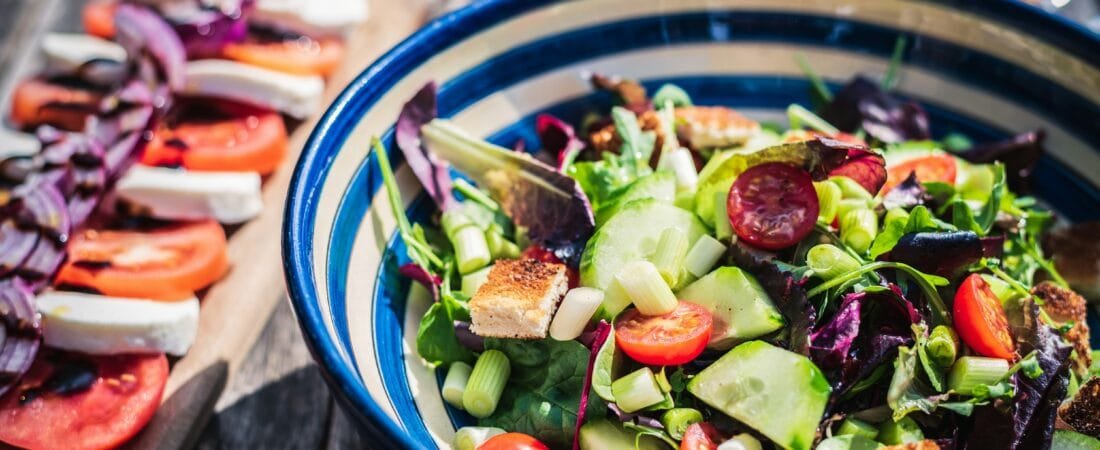
What Is the Mediterranean Diet?
The Mediterranean diet is a way of eating inspired by countries along the Mediterranean Sea, where traditionally, meals are slower, ingredients are simpler, and food is meant to be enjoyed.
At its core, the Mediterranean diet focuses on:
- Fresh vegetables and fruits
- Whole grains (like brown rice, oats, whole wheat bread)
- Beans and legumes
- Nuts and seeds
- Healthy fats, especially olive oil
- Fish and lean proteins
- Herbs and spices for flavor
And just as importantly, it naturally limits highly processed foods, excess sugar, and overly refined ingredients. Overall, it’s a balanced, flexible and sustainable way of eating.
The Link Between Food and Mental Health
Your brain relies on nutrients to function properly, and when it consistently gets what it needs, things tend to feel more balanced. You also tend to feel more energized.
Research published by Harvard Health Publishing found that people who followed a Mediterranean-style diet experienced greater reductions in depression symptoms compared to those who continued their usual eating habits.
Now, it’s important to say this clearly: This doesn’t mean food is a cure for depression. It instead offers insight into how how we nourish ourselves plays a supportive role in how we feel.
Here’s some more points as to how:
1. It Supports Your Body’s Internal Balance
The Mediterranean diet has been shown to improve things like heart health and metabolic function—reducing major cardiovascular risks by around 30% in some studies.
It also helps regulate blood sugar levels, especially for those with type 2 diabetes.
This stability in health helps contribute to daily consistency in how we feel, and reduces the fluctuation that can shift our moods along with it.
2. It Helps Reduce Inflammation Over Time
Many of the foods in this diet (like olive oil, nuts, fruits, and vegetables) are rich in compounds called polyphenols and fiber. These help reduce oxidative stress and inflammation in the body.
And while inflammation might sound like a physical issue, it’s increasingly being connected to mental well-being, too.
A large review of 37 studies found that higher polyphenol intake was associated with a lower risk of depression and reduced symptom severity.
3. It Encourages Consistency, Not Extremes
This might be one of the most underrated benefits.
The Mediterranean diet is about being consistent, not about perfection.
And when your eating habits feel manageable instead of restrictive, it becomes easier to:
- Stay nourished
- Maintain energy
- Avoid cycles of burnout (both physically and mentally)
How to Start (Without Overwhelm)
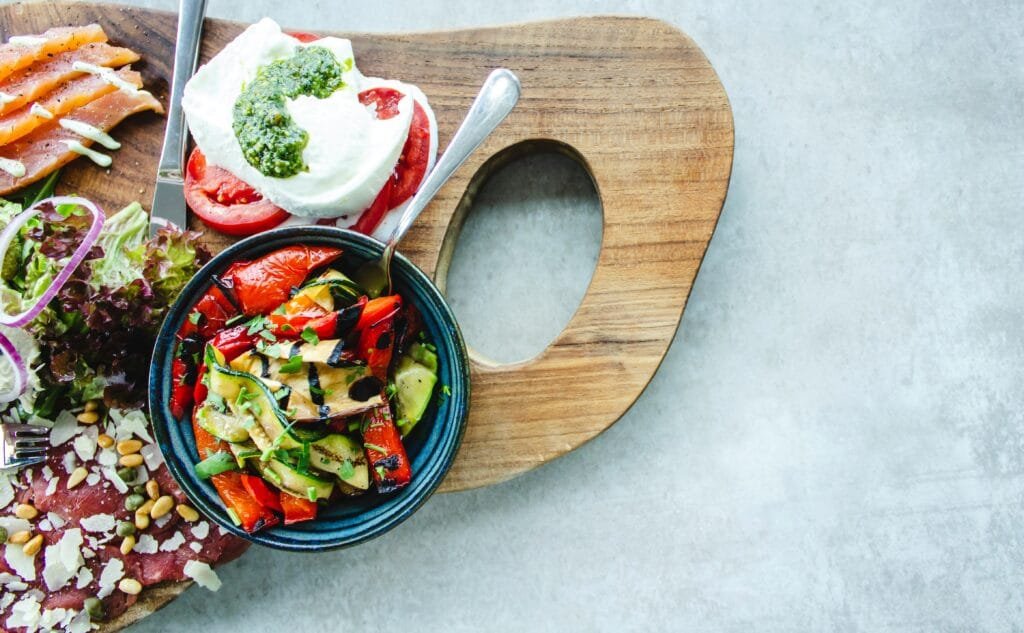
You don’t need to overhaul your entire lifestyle to experience the benefits. You can start small by:
- Adding one extra vegetable to your meals
- Swapping butter for olive oil occasionally
- Including a handful of nuts as a snack
- Choosing whole grains instead of refined ones
Final Thoughts
If there’s one thing to take away from all of this, it’s this: You don’t have to change everything overnight to start feeling better.
We talked about how the Mediterranean diet isn’t really a “diet” at all. At it’s core, it’s just a balanced, sustainable way of eating that leans into whole foods, healthy fats, and simple ingredients your body already knows what to do with. We explored how this way of eating can support your body from the inside out—helping with things like inflammation, energy levels, and even playing a small but meaningful role in mental health, including reducing symptoms of depression.
But more than anything, this is about how you feel at the end of your day. Just small changes over time like adding more whole foods, choosing ingredients that nourish you, or slowing down enough to enjoy your meals again can really make all the difference in how you feel.
Disclaimer: This blog shares general fitness and wellness tips based on personal experience and research. It is not intended to substitute medical advice, diagnosis, or treatment. Always consult your physician or a qualified healthcare provider before starting any new workout, diet, or health routine. Use of any information on this site is at your own risk.
Content related to journaling, meditation, or emotional well-being is intended for informational and inspirational purposes only. It does not replace professional mental health care, therapy, or counseling. If you are struggling with mental health issues, please seek help from a licensed mental health professional.
You Might Also Like:
The Vital Link Between Physical Fitness, Health, and Happiness
Let’s Talk About Fiber: Why It’s More Important for You Than You Think