
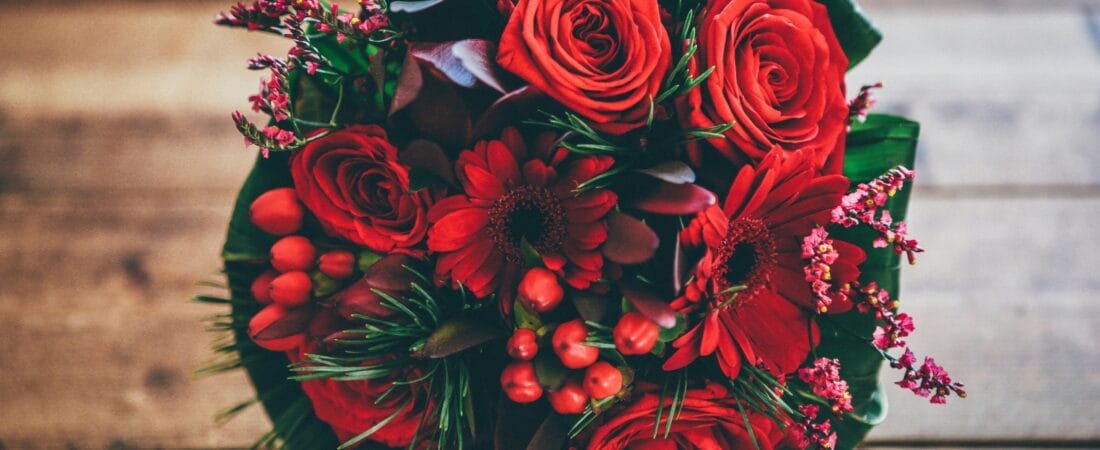
The language of flowers (sometimes called floriography) is a quiet, thoughtful way of saying things that feel too big, too delicate, or too complicated for words.
And maybe, in a world that moves so fast, there’s something really beautiful about bringing a little of that language back.
What Is the Language of Flowers?
The language of flowers is the idea that different flowers, and even their colors, carry specific meanings.
A bouquet wasn’t just a bouquet. It was a message.
- A confession
- An apology
- A celebration
- A quiet “I’m thinking of you”
And what makes it even more meaningful is this:
The same flower could say something completely different depending on its color.
It wasn’t just about what you gave, but how you gave it.
Floriography Today
At first glance, this might feel like a forgotten tradition—something tied to another time.
But when you think about it, we’re still searching for ways to express how we feel in meaningful, tangible ways.
Bringing intention back into something as simple as a bouquet can:
- Deepen emotional connection
- Make everyday moments feel more thoughtful
- Turn a small gesture into something memorable
Common Flowers and Symbolism
Let’s walk through some of the most well-loved flowers and what they’ve symbolized over time.
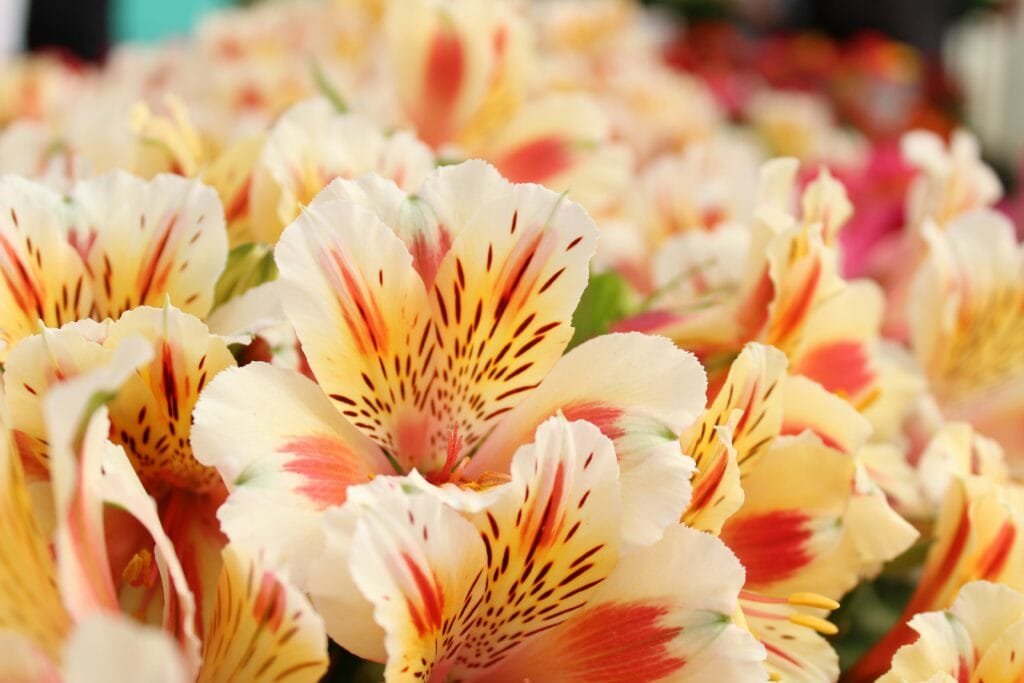
Peruvian Lily (Alstroemeria)
Meaning: A powerful bond
This flower represents deep connection, often tied to friendship, loyalty, or lasting relationships.
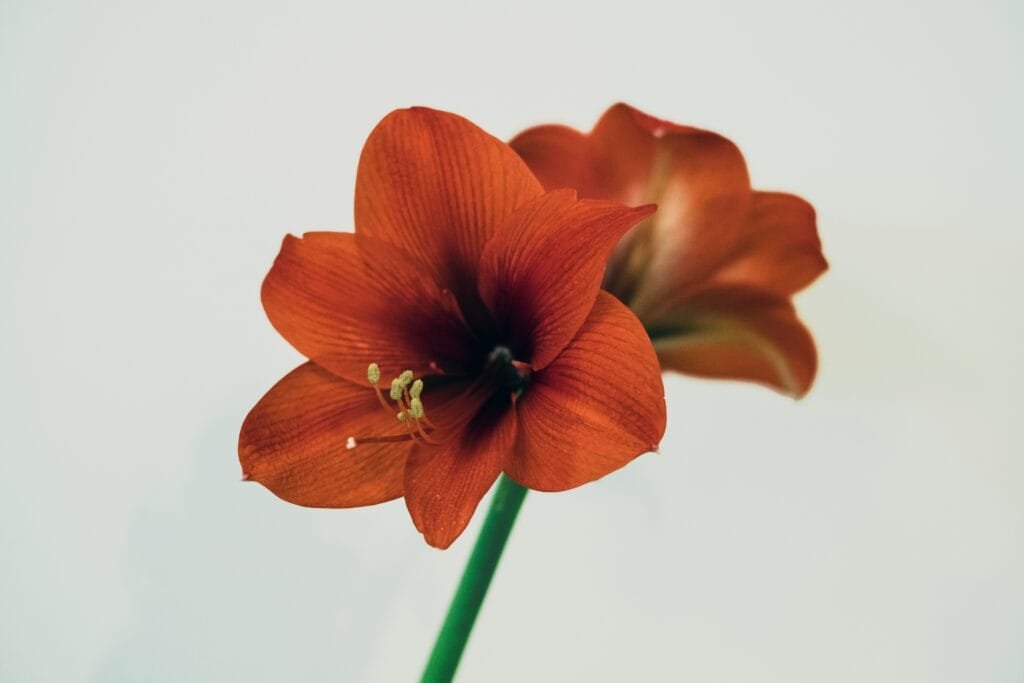
Amaryllis
Meaning: Beautiful but timid, innocence, shyness, radiant beauty
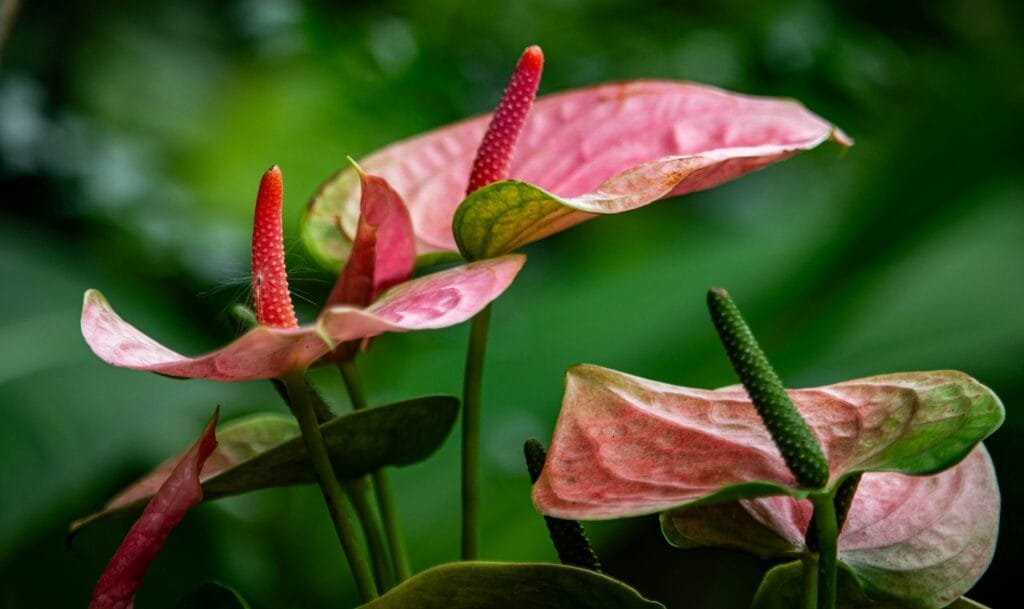
Anthurium (Flamingo Flower)
Meaning: Adoration, happiness, sensuality
Bold and striking, this flower carries warmth and affection with a touch of intensity.
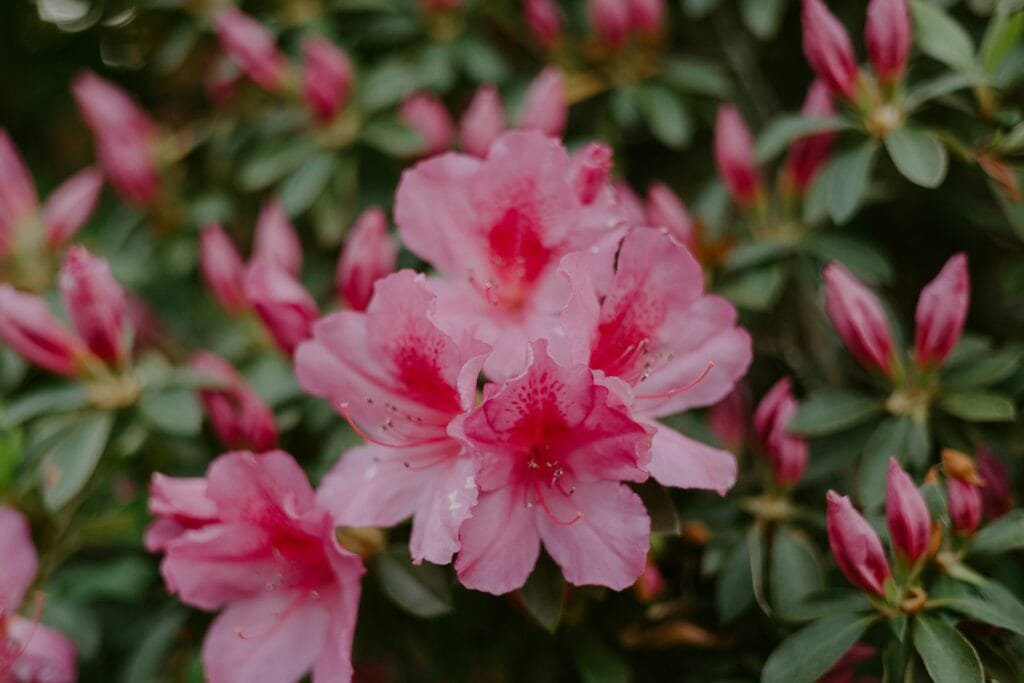
Azalea
Meaning: Fragility, or a gentle reminder to take care
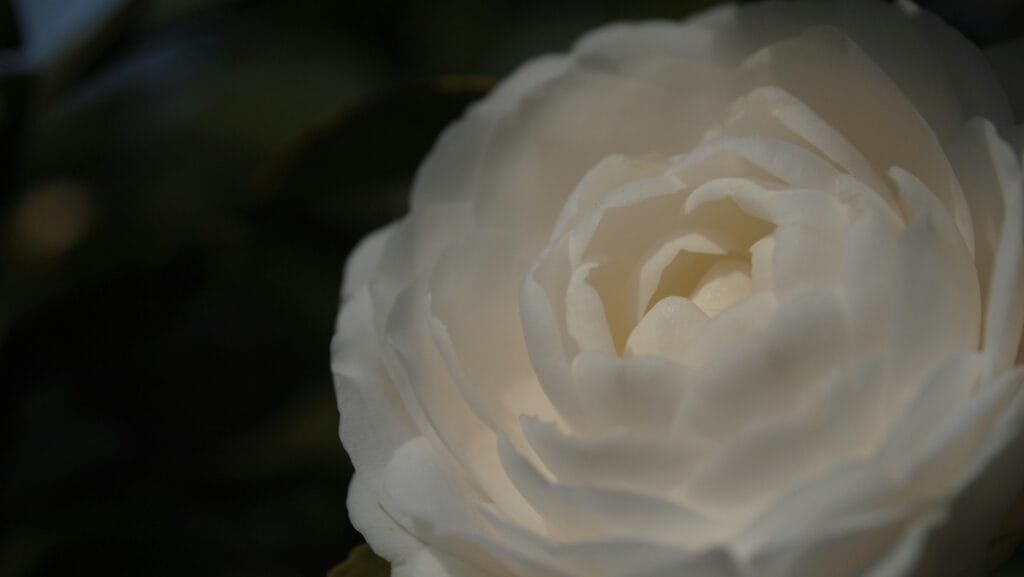
Camellia
- Pink camellia: Desire or longing
- Red camellia: Ardent love
- White camellia: Adoration
Same flower, but a completely different message depending on the color you choose.
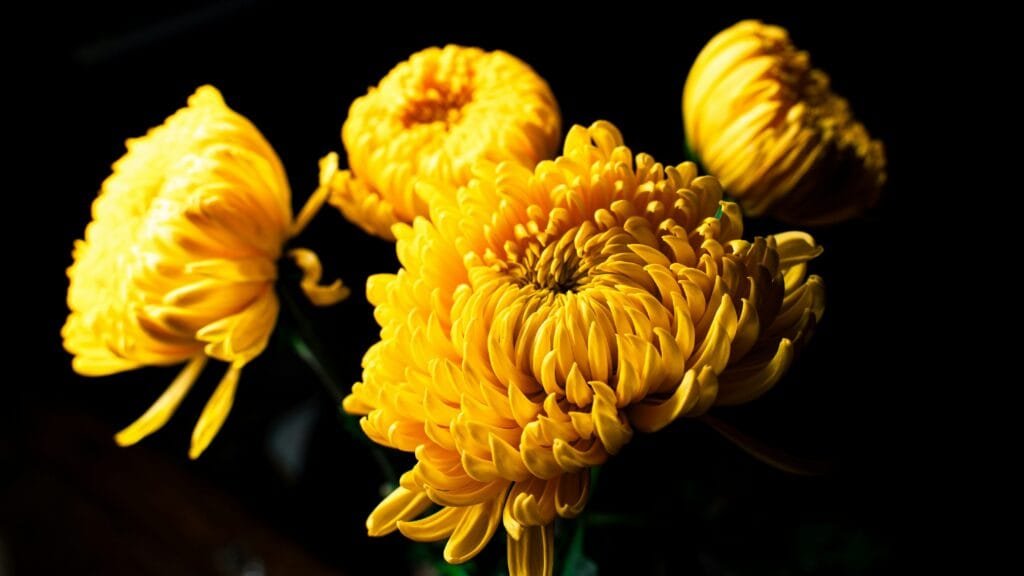
Chrysanthemums
- Red: I love you
- White: Truth
- Yellow: Slighted or scorned love
These carry emotion in a very direct, almost unfiltered way.
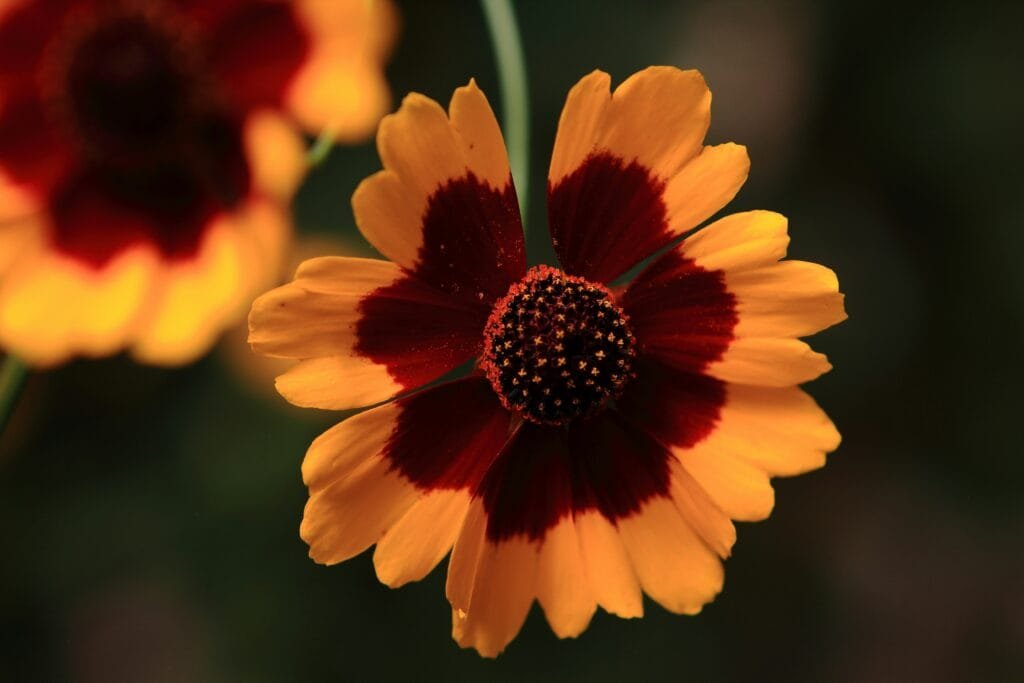
Coreopsis
Meaning: Love at first sight
Light, bright, and full of that instant spark.
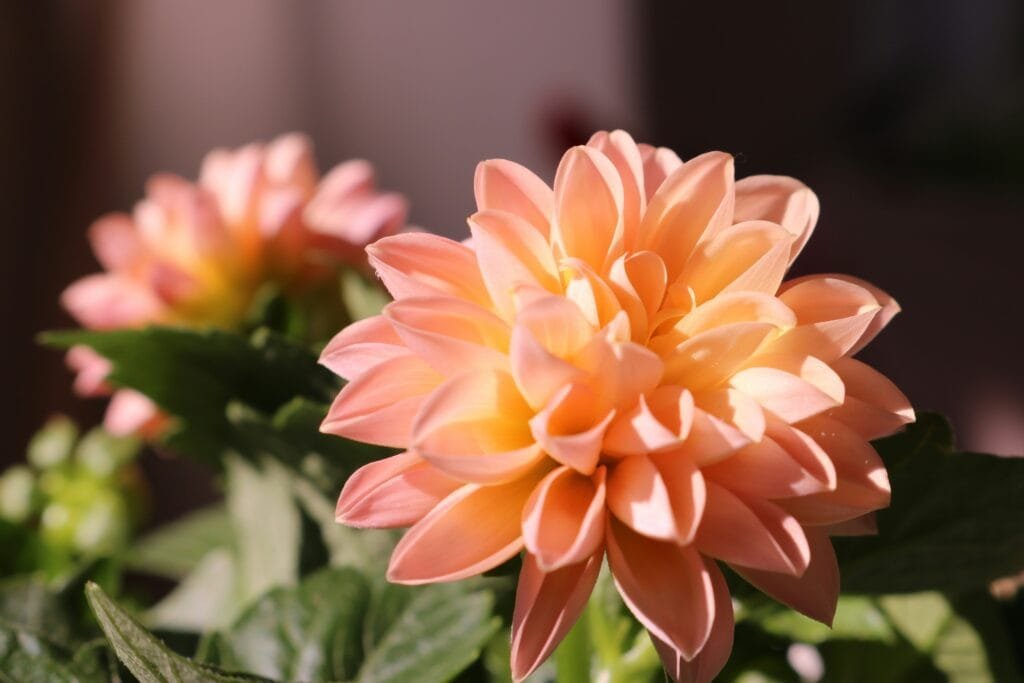
Dahlia
Meaning: Dignity and elegance
A reminder that strength can be graceful.
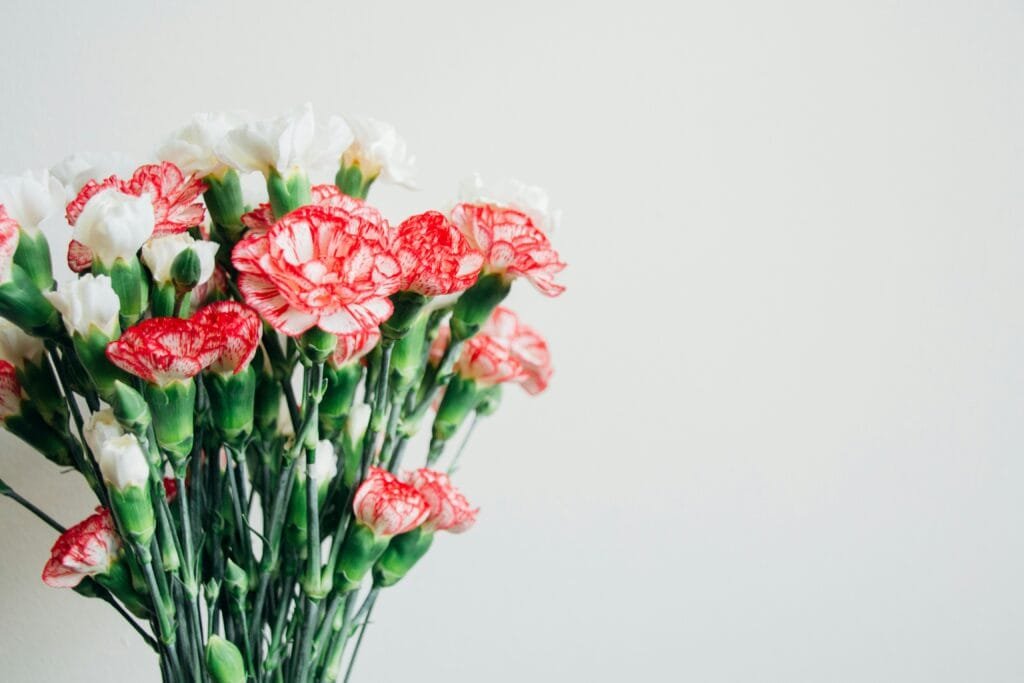
Carnations
- Pink: A mother’s love
- Light red: Admiration
- Dark red: Deep love and affection
- Purple: Condolences
- Yellow: Disappointment
Few flowers carry as much emotional range as carnations do.
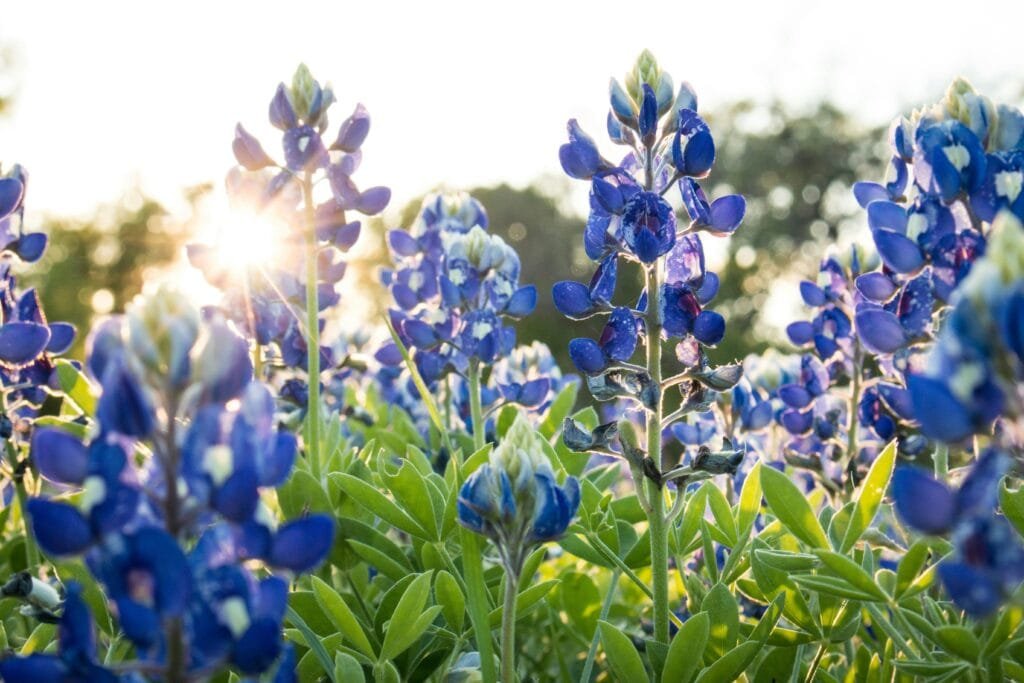
Bluebonnets
Meaning: Forgiveness
Soft, open, and healing, like a second chance.
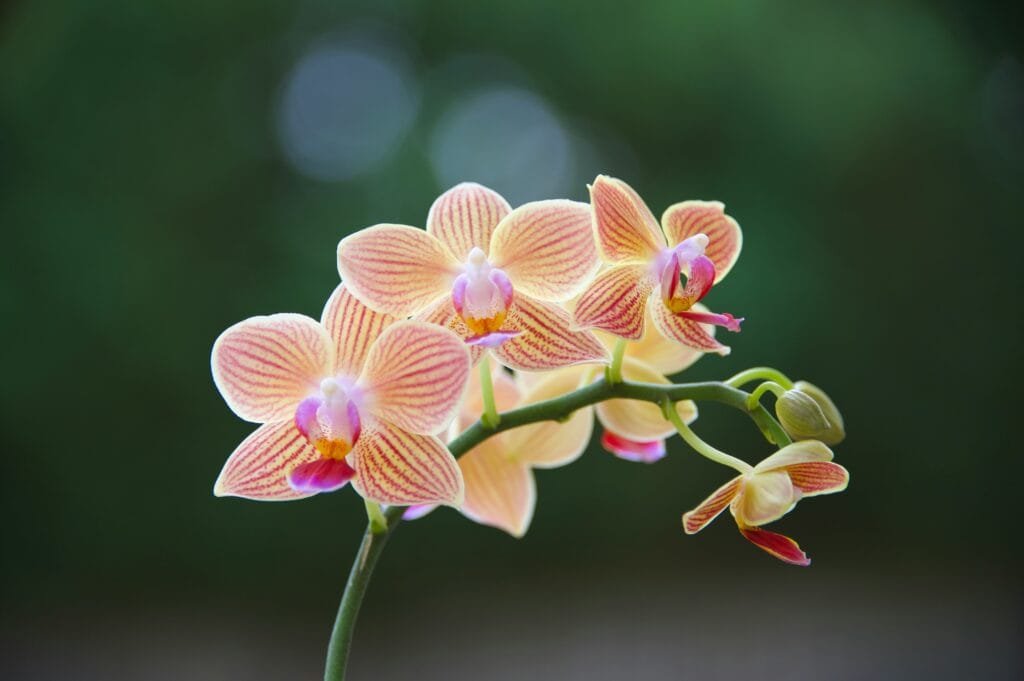
Orchids
Meaning: Refined beauty
Elegant, intentional, and powerful.
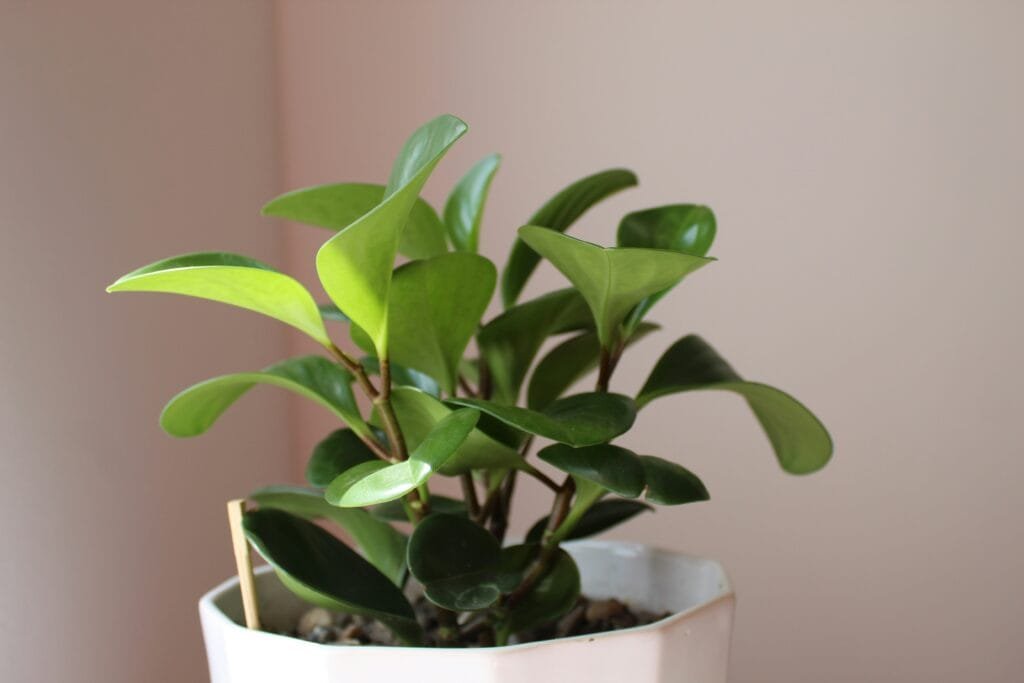
Peperomia
Meaning: What is meant to be, will be
A gentle reminder to trust the unfolding of life.
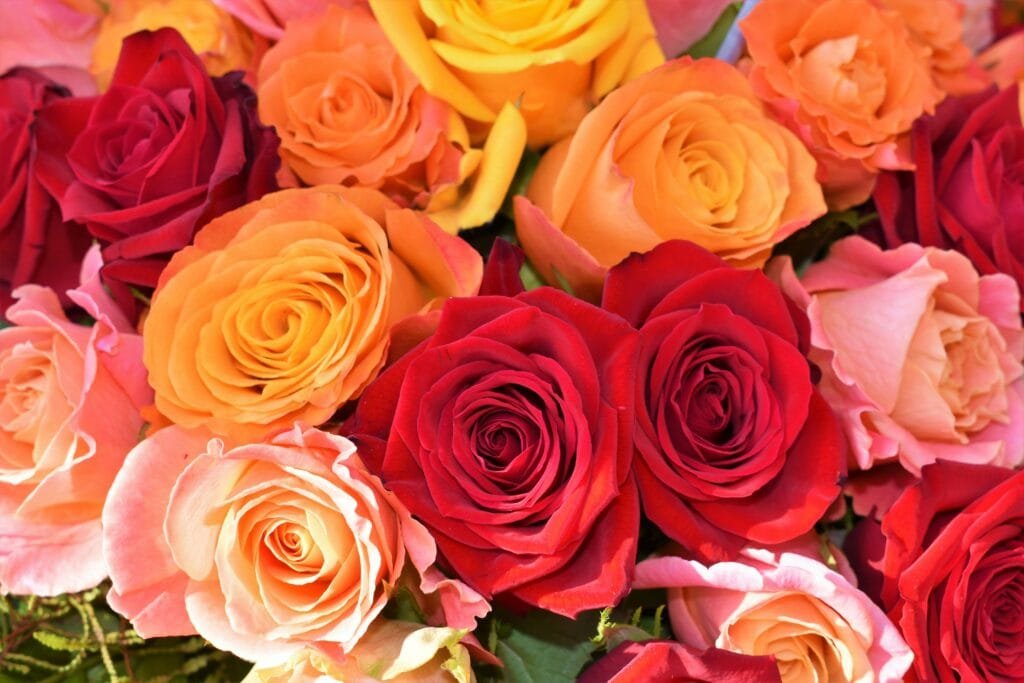
Roses
Roses are perhaps the most well-known when it comes to symbolism, but even they have layers many people don’t realize.
- Black rose: Farewell or endings
- Light pink rose: Admiration
- Pink rose: Gratitude
- Red rose: Love, beauty, desire
- White rose: Innocence and charm
- Yellow rose: Friendship and apology
And then there are combinations and details:
- A single full-bloom rose (any color): I love you
- Red + yellow roses together: Joy, celebration, excitement
Final Thoughts
You don’t need to memorize every meaning or create elaborate bouquets. You can start small by:
- Picking flowers to decorate your home based on how you feel
- Gift someone a bloom that reflects what you want to say
- Keep flowers in your space that represent something meaningful to you
It’s really about making it personal.
Disclaimer: The information provided in this blog is for general informational and entertainment purposes only. All activities, projects, and recommendations are shared based on personal experience and should be pursued with proper care, safety measures, and personal judgment. The author and website are not responsible for any injury, loss, or damage that may occur as a result of following the content provided. Always research, use appropriate materials and tools, and consult professionals when necessary before beginning any new hobby or project.