
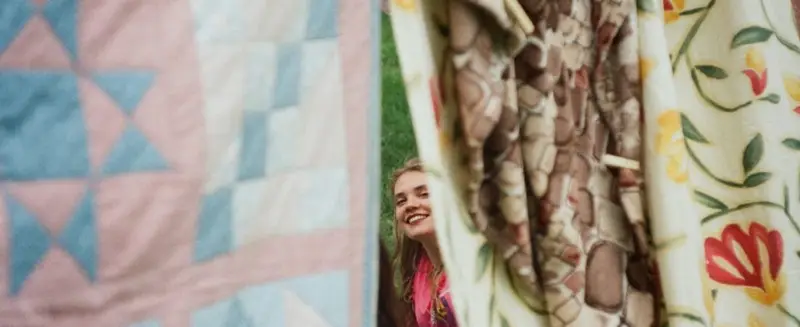
Some nights, sleep feels easy. Other nights? Not so much.
For some couples, nights are a constant tug-of-war with the bedsheets. The blankets get pulled back and forth, sometimes without even noticing. For other couples, one runs warm while the other is left reaching for extra layers.
Those are the moments where quality sleep escapes many couples. It’s not that anything is wrong, it’s just that two people, sharing one bed, don’t always have the same needs.
This is how the Scandinavian Sleep Method comes to the rescue.
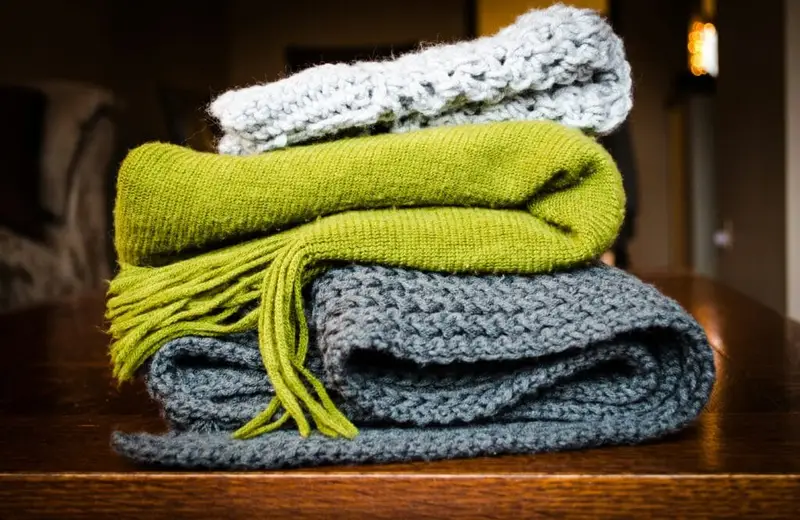
What Is the Scandinavian Sleep Method?
Despite the name, it’s surprisingly simple.
The Scandinavian Sleep Method is when two people share the same bed, but use separate blankets or duvets instead of one shared cover. And while it might sound like a small shift, it can make a meaningful difference in how well you sleep.
Sleep isn’t just about how long you’re in bed, it’s about how uninterrupted and comfortable that sleep actually is. For many couples, shared blankets can interfere with that.
1. Fewer Sleep Disruptions
If you’ve ever woken up because your partner tossed around and pulled the covers, you’ve experienced this firsthand.
Using separate duvets helps reduce those disturbances by:
- Preventing blanket tugging
- Minimizing disruption from movement
Research suggests that partners’ movements during the night can wake each other up multiple times, even if they don’t fully remember it. Over time, those small interruptions add up.
2. Personalized Comfort (Especially for Temperature)
One of the biggest differences between people is temperature. Some tend to run hot, while others tend to feel cold quite easily. Even for couples who both tend to run hot or cold, preferred temperature can differ.
With separate blankets, each person can choose what works best for them:
- Lightweight, breathable covers
- Heavier, warmer duvets
This helps create a more comfortable sleep environment for both people, instead of compromising with one shared option.
3. Less “Fighting Over the Covers”
It sounds small, but it matters.
No more:
- Waking up without a blanket
- Pulling covers back and forth
- Adjusting all night without realizing it
Having your own blanket removes that tension entirely and makes sleep feel more settled.
4. Stay Close Without Sacrificing Sleep
One of the biggest concerns people have is, “Does this make us feel less connected?”
Not necessarily.
You still share the same bed, fall asleep next to each other, and wake up in the same space, which is vastly different from a “sleep divorce,” where couples sleep in separate beds entirely.
And interestingly, research suggests that sharing a bed can support emotional connection and even improve aspects of sleep when disruptions are minimized.
So instead of choosing between closeness and rest, this method creates a balance between both.

What This Method Doesn’t Do
It’s important to keep expectations grounded. The Scandinavian Sleep Method:
- Won’t fix snoring or sleep disorders
- Won’t replace good sleep habits
- Won’t solve every nighttime issue
But it can reduce one very common source of disruption: shared bedding.
How to Try It Yourself
If you’re curious, it’s easy to test:
- Use two separate blankets or duvets (typically two twin-sized duvets)
- Choose ones that match your personal comfort (weight, warmth, texture)
- Arrange them side by side on your bed
That’s it. You can still cuddle, talk, or wind down together, then settle into your own space when it’s time to sleep.
Final Thoughts
If sleep has been feeling a little off lately—not terrible, but not quite restful—this might be a small adjustment worth trying.
Because sometimes, better rest doesn’t come from doing more, it comes from making space for what you need. Even if that need simply means having your own blanket.
Disclaimer: This content is for informational and educational purposes only and is not intended to be a substitute for professional medical advice, diagnosis, or treatment. Always seek the guidance of a qualified healthcare provider with any questions you may have regarding a medical condition, mental health concerns, or a new fitness or wellness routine.
You Might Also Like
Why Holding Hands Might Be One of the Most Powerful Forms of Connection