
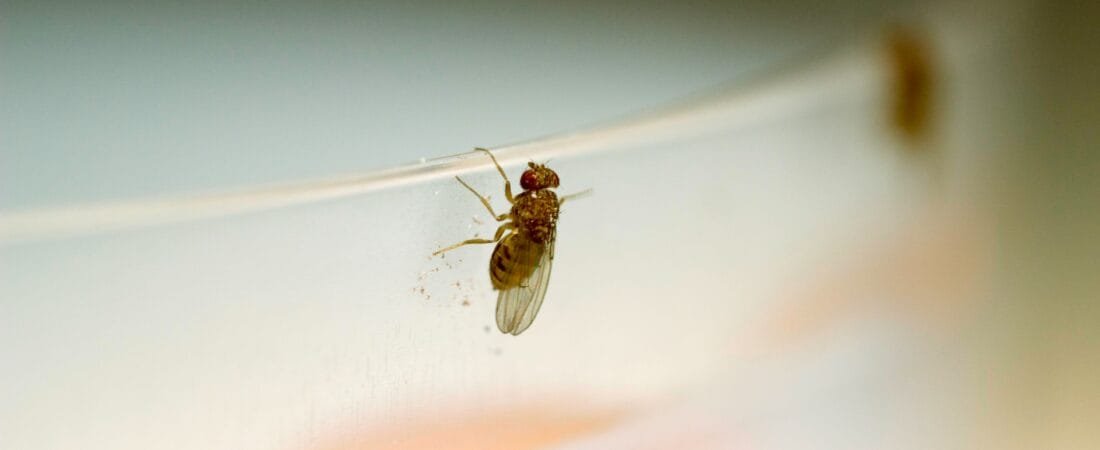
Fungus gnats are small, dark flies that are attracted to the moist soil that your plants are thriving in. They love environments that are warm, slightly damp, and full of organic material.
Before we jump right into solutions, it helps to understand why they’re sticking around.
Fungus gnats lay their eggs in moist soil. When those eggs hatch, the larvae feed on organic matter (and sometimes even plant roots if the population grows too large!).
So if the soil stays consistently damp, the cycle continues:
- Eggs hatch
- Larvae grow
- Adult flies emerge
- And the cycle repeats
That’s why the key to getting rid of them is interrupting that cycle.
Simple and Effective Solutions
1. Yellow Sticky Traps (Your First Line of Defense)
If you’re noticing flies buzzing around, this is one of the easiest ways to start.
Yellow sticky traps work by attracting adult gnats (they’re drawn to the color), and once they land, they’re stuck.
Why this helps:
- Reduces the adult population
- Prevents them from laying more eggs
- Gives you quick, visible progress
You’ll likely see results within a few days with this method, but it doesn’t address another issue: eggs that have already been laid into the soil.
2. Hydrogen Peroxide + Water Solution
A diluted hydrogen peroxide solution can help kill larvae living beneath the surface, right where the problem starts.
How to use it:
- Mix 1 part hydrogen peroxide (3%) with 4 parts water
- Water your plant as you normally would
As it breaks down, the solution releases oxygen, helping target larvae without harming your plant when used properly.
This works by:
- Kills larvae on contact
- Helps disrupt the breeding cycle
- Gives your soil a fresh start
3. Let the Soil Dry Out
This might feel counterintuitive, especially if you’re used to watering regularly; however, fungus gnats need moist soil to survive. One of the simplest, most effective things you can do is to let the top layer of soil dry out between waterings.
Dry soil means fewer eggs, and fewer eggs means fewer gnats.
This reduces the chance that the gnats that haven’t been caught by the sticker traps will lay new eggs into the soil.
4. Replace the Soil (For Stubborn Cases)
If the infestation feels overwhelming or just won’t go away, sometimes the best option is a clean slate. Replacing the soil removes eggs, larvae, and the organic buildup that attracts gnats.
When repotting, choose fresh, well-draining soil and a pot with good drainage.
It’s a bit more effort, but as a last resort, it can completely reset your plant’s environment.
Final Thoughts
If you’re dealing with fruit flies (or fungus gnats), here’s the simple game plan:
- Use yellow sticky traps to catch adults
- Treat the soil with a hydrogen peroxide solution
- Let the soil dry out between waterings
- Replace soil if needed for a full reset
As a reminder, you don’t have to do everything at once! Start with one step, see how your plants respond, and build from there.
Disclaimer: The information provided in this blog is for general informational and entertainment purposes only. All activities, projects, and recommendations are shared based on personal experience and should be pursued with proper care, safety measures, and personal judgment. The author and website are not responsible for any injury, loss, or damage that may occur as a result of following the content provided. Always research, use appropriate materials and tools, and consult professionals when necessary before beginning any new hobby or project.
You Might Also Like:
Zero-Waste Gardening Hacks: Composting, Reusing, and Recycling for Cleaner, Greener Yards
The Easiest Herbs to Grow: A Beginner’s Guide to Low-Maintenance Greenery