
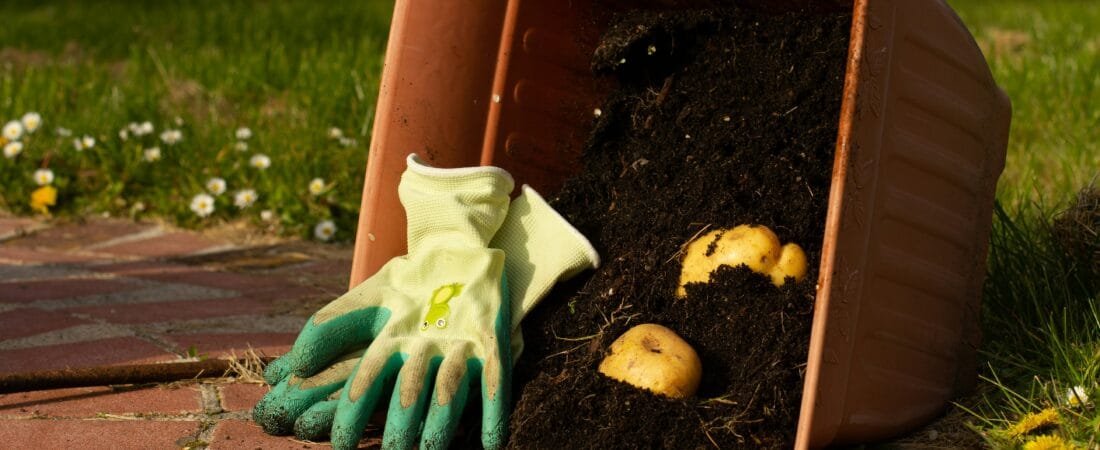
Gardening is one of those hobbies that is deeply satisfying for a multitude of reasons. Whether you’re in it for the output, for that connection to nature, or just for the joy of nurturing something, there’s something in it for everyone. It’s also something that’s so invigorating and lively — not just because of the flowers and vegetables, but because everything in it has a purpose. Every leaf, every scrap, every drop of water is part of a beautiful, intricately designed circular system that gives as much as it takes.
That’s the heart of zero-waste gardening, and it’s something I’ve been slowly embracing, one compost pile and recycled container at a time.
When I first started gardening, I didn’t think much about waste. Things that I thought were just waste, like wilted leaves and food scraps, were just things to toss in the trash. But the more time I spent nurturing plants, the more it felt wrong to throw away something that could have given nutrients (and by extension, life) back to the soil. Gardening, after all, is about cycles. It’s about growth, decay, and renewal. And zero-waste gardening is the purest reflection of that cycle.
Let’s dig into how you can turn your garden into a cleaner, greener, and more sustainable space, all while reducing waste and giving new life to what you already have.
What Zero-Waste Gardening Really Means
Zero-waste gardening is about making intentional choices that minimize waste and maximize reuse, but you don’t always have to be perfect. It’s about using what’s already available, from kitchen scraps to old containers, to create a thriving, low-impact garden.
At its core, zero-waste gardening is built on three pillars: composting, reusing, and recycling. Together, these create a closed-loop system where nearly everything you use in the garden returns to it in some form.
It requires a bit of a mindset shift, but think of it as gardening in harmony with nature instead of against it. Instead of seeing waste as something to get rid of, you start seeing it as a resource waiting to be repurposed.
Composting: Nature’s Recycling System
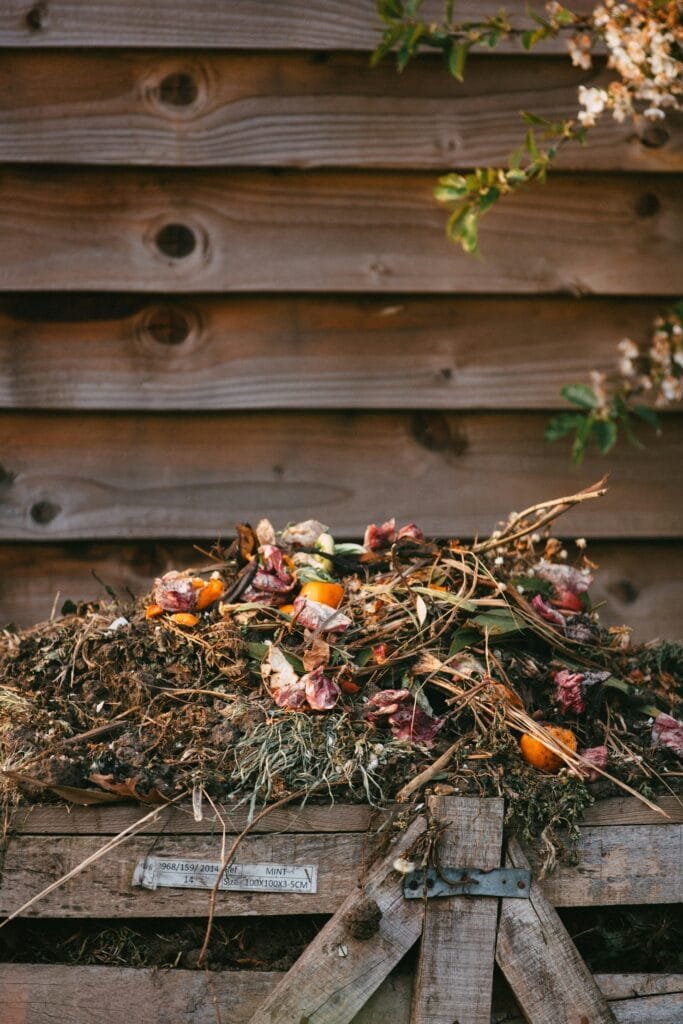
Composting is one of the first things people think of when it comes to zero-waste gardening, and for good reason. It embodies the spirit of the natural cycle, taking nutrients and returning them. Composting transforms kitchen scraps and yard waste into nutrient-rich soil that helps your plants thrive.
When I first started composting, I was intimidated by the idea. There was all this talk about “greens and browns,” moisture levels, and turning piles sounded complex. But once I began, I realized just how simple it can be.
How to Start Composting
You don’t need fancy equipment to start. All you really need is:
- A container or bin (even an old plastic tote works)
- “Greens” like fruit and vegetable scraps, coffee grounds, and grass clippings
- “Browns” like dried leaves, shredded paper, and cardboard
Layer your greens and browns, keep the pile slightly moist, and turn it every week or two to introduce oxygen. Over time, those scraps will break down into dark, crumbly compost, which is what many gardeners call “black gold.”
If you live in an apartment or don’t have a yard, you can still compost using a vermicomposting bin (that’s a worm bin). Red wigglers are the stars here, and they turn scraps into nutrient-rich castings that work wonders for potted plants.
Reusing: Finding Purpose in the Everyday
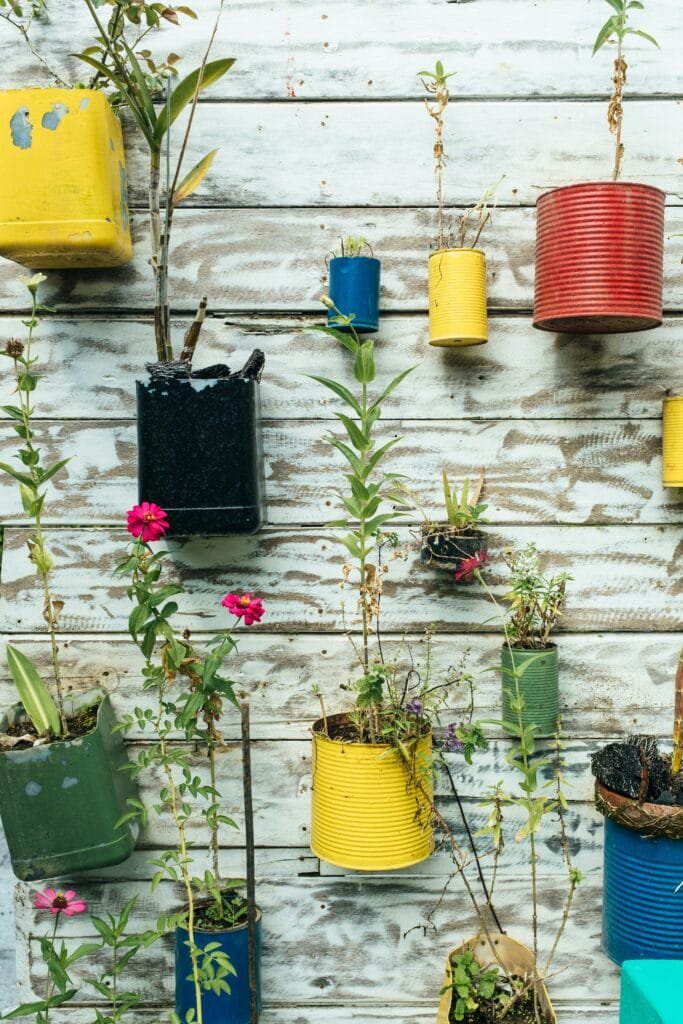
One of the most creative and fulfilling parts of zero-waste gardening is repurposing what you already have. Once you start looking around, you’ll realize how many everyday items can take on new life in your garden.
Here are a few of my favorite reuse hacks:
- Old jars and cans make perfect seed starters. Just poke a few holes at the bottom (for cans) or add a layer of gravel (for jars) for drainage.
- Egg cartons are excellent for germinating seeds. When seedlings are ready, you can plant the entire section. The carton will break down naturally.
- Plastic bottles can become mini greenhouses. Cut the bottom off and place the dome over tender seedlings to protect them from cold weather.
- Broken terra cotta pots can be used as drainage layers in larger planters.
- Old towels or shirts can be cut up and used as plant ties or mulch layers.
One day, while cleaning my kitchen, I realized just how many things I was throwing away that could be reused. That small shift in mindset, like seeing potential instead of trash, changed how I approach both gardening and daily life. Now, I look at containers, fabrics, and packaging and think, how can I give this another purpose?
Recycling: Giving Materials a Second Chance
Recycling is the third key pillar in zero-waste gardening, and it’s especially important for materials that can’t easily be composted or reused.
Plastic plant pots, for example, are recyclable in many areas, and so are some garden tools and containers made of metal or hard plastic. Many local nurseries even have recycling programs where you can drop off old pots or trays to be reused by other gardeners.
But recycling isn’t just about sending things to a facility. You can also try upcycling, or creatively turning old materials into something new.
Here are a few ideas to inspire you:
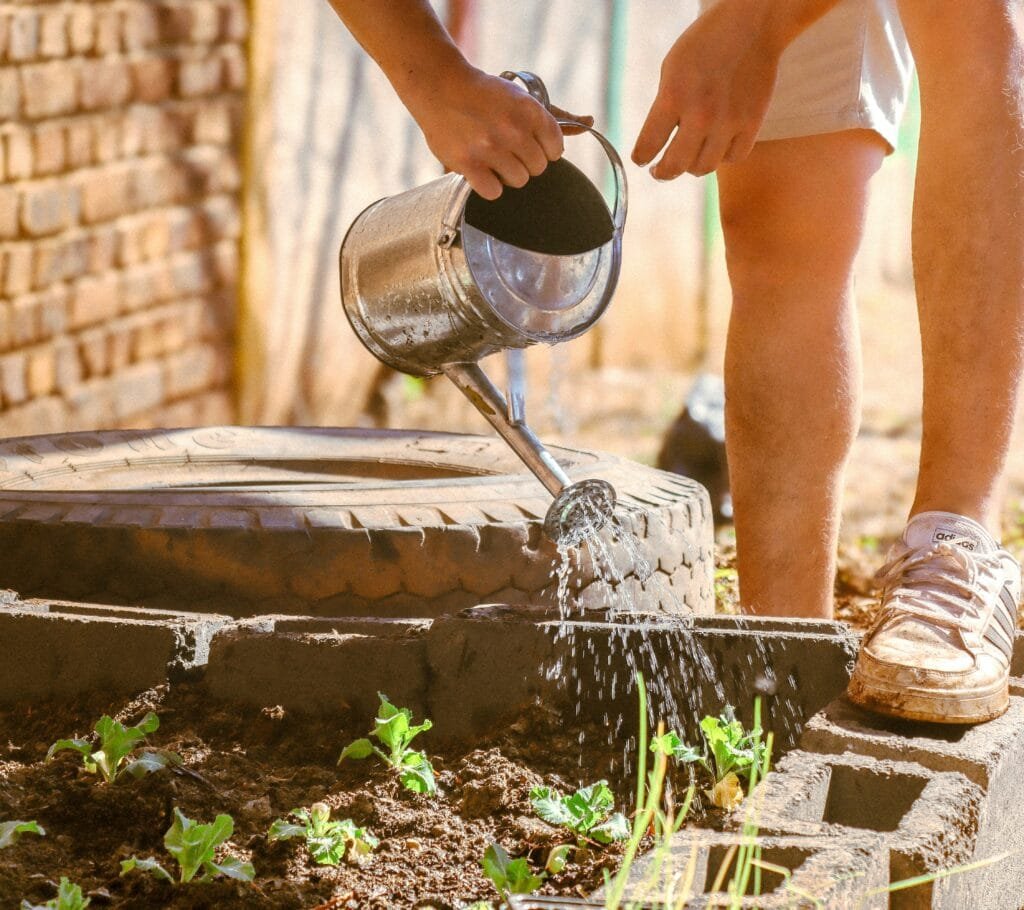
- Tires can become garden beds or compost bins.
- Wooden pallets can be turned into vertical gardens, herb racks, or compost enclosures.
- Glass bottles can create garden borders or even colorful stepping stones when cut and arranged safely.
Each of these keeps waste out of landfills and adds a unique, handmade charm to your garden.
The Benefits Go Beyond the Garden
It’s satisfying, knowing you’re part of something regenerative. It turns gardening into a mindful practice, one that teaches patience, observation, and respect for the natural cycle of life.
Reducing waste also means spending less. When you reuse containers, compost instead of buying fertilizer, and upcycle materials for decor or structure, you save money and reduce your environmental footprint. Every little effort adds up, and your garden becomes a living example of what’s possible when we choose to care more deeply about the world around us.
Getting Started with Zero-Waste Gardening
If you’re ready to embrace zero-waste gardening, start small. Choose one area — maybe composting your kitchen scraps or reusing old containers — and build from there. Over time, you’ll find your rhythm and create a system that feels natural and rewarding.
Here’s a simple roadmap to get you started:
- Compost your kitchen and yard waste. Even small amounts make a big difference.
- Repurpose what you already have. Look around your home for reusable containers.
- Recycle or upcycle old materials. Give them a new life in your garden.
- Be patient and experiment. The process is part of the joy.
Every effort counts. With each mindful choice, you’re helping create a cleaner, greener world, one backyard at a time.
Disclaimer: Gardening advice on this site is shared for educational and recreational purposes only. Local climate, soil, and environmental factors can affect outcomes. Please research region-specific practices and consult gardening experts for personalized advice.
You Might Also Like:
Gardening in Small Spaces: Tips & Tricks for Dorm Rooms, Apartments, and Tiny Homes