
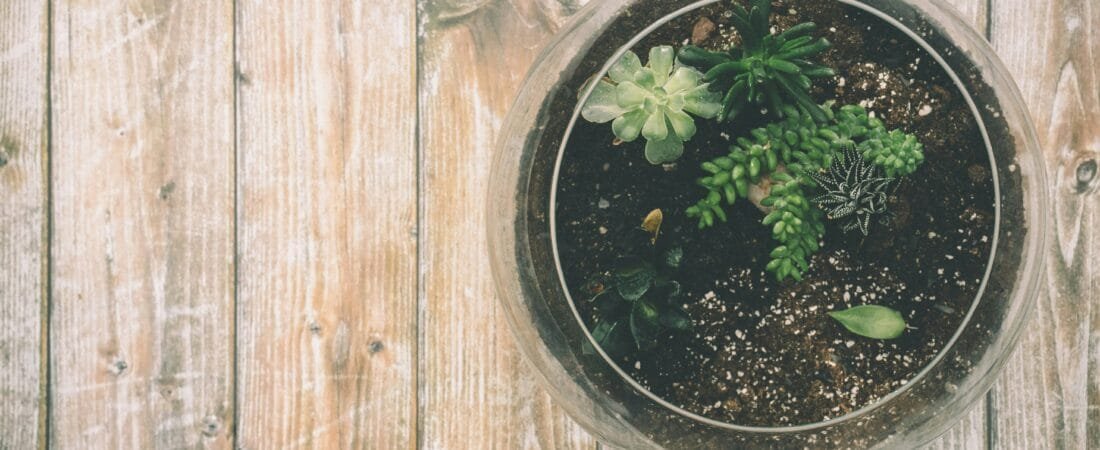
There’s something so magical about a terrarium.
It’s a small, self-contained world. A little pocket of green that asks for very little, but gives so much back. You look at it, and for a moment, everything feels more grounded.
But if you’ve ever tried building one, you’ve probably realized that not every plant thrives in that environment.
Terrariums have their own constraints—higher humidity, limited airflow, a more contained space. And the plants that do well here are the ones that naturally lean into those conditions.
Let’s walk through some of the best ones, and why they truly belong there.
What Makes a Plant “Terrarium-Friendly”?
Before we get into specific plants, it helps to understand what actually works in a terrarium.
The best plants tend to be:
- Humidity-loving
- Slow-growing
- Compact
- Adaptable to indirect light
Think of plants that would naturally thrive on a forest floor: soft light, moist air, steady conditions.
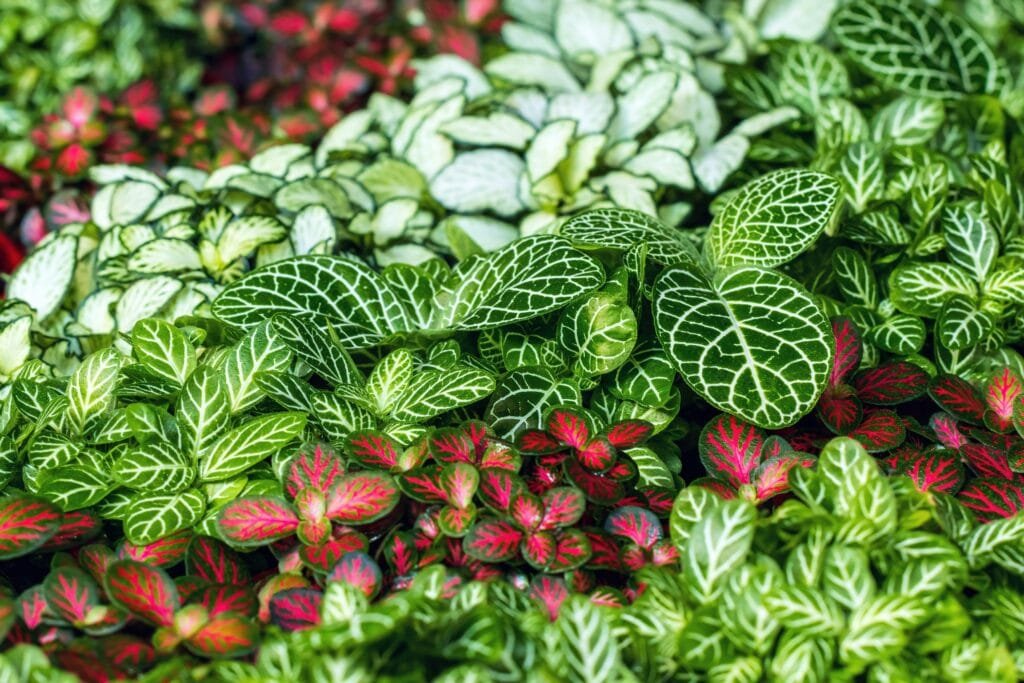
Nerve Plants (Fittonia)
If you want something that immediately draws your eye, nerve plants are it.
Why do they work? Well, they:
- Love humidity
- Stay compact
- Add bold color and contrast
Their vibrant veining, especially in the red varieties, brings a kind of pop to a terrarium that still feels natural.
Ferns
Ferns are some of the most natural fits for terrariums. They thrive in the exact kind of environment a terrarium creates.
From Black Rabbit’s Foot Fern, Eyelash Fern, Lemon Button Fern, to Maidenhair Fern, they work because they:
- Thrive in high humidity
- Add soft, layered texture
- Create that “mini forest” feel
Each one brings something slightly different: maidenhair for delicacy, lemon button for a cheerful look, rabbit’s foot for something a little more unique.
Peperomia
Peperomias are small plants that provide some nice shape and texture, perfect for foreground and midground placing.
Why they work:
- Compact growth
- Tolerates humidity well
- Adds structure without overwhelming the space
It’s one of those plants that balances everything else out.
Anubias
Often used in aquariums, anubias can thrive in terrariums with higher moisture.
Why they work:
- Extremely hardy
- Thrives in wet, humid conditions
- Slow-growing and stable
It’s a great choice if your terrarium leans more toward a mossy, damp environment.
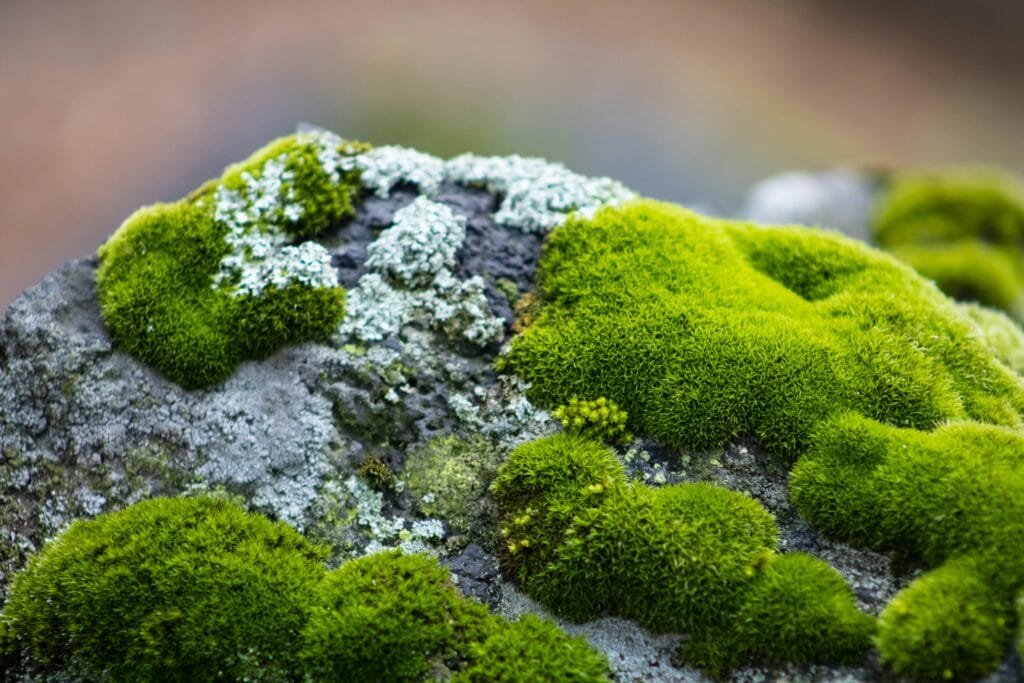
Mosses
If there’s one element that truly defines a terrarium, it’s moss.
Mosses such as Java Moss, Cushion Moss, Fern Moss, Meadow Spike Moss, Star Moss are absolutely perfect additions to terrariums because they:
- Love moisture
- Stay low and lush
- Create a soft, grounded base
Moss transforms a terrarium from “plants in a container” into something that feels more realistic, like a tiny landscape.
Air Plants (Tillandsia): For Open Terrariums
Air plants fit into the setup a little differently, but when placed well, they shine.
They work because:
- Don’t need soil
- Absorb moisture from the air
- Perfect for open terrariums
They add a sculptural, modern feel while still staying low-maintenance.
Trailing Plants: Movement and Flow
Plants like Creeping Fig, Turtle Vine, Spiderwort, and Pothos are also quite popular additions to a terrarium setup, mainly due to how they trail. They:
- Add movement and dimension
- Can climb or trail naturally
- Help fill empty space over time
They make the terrarium feel alive, not just static.
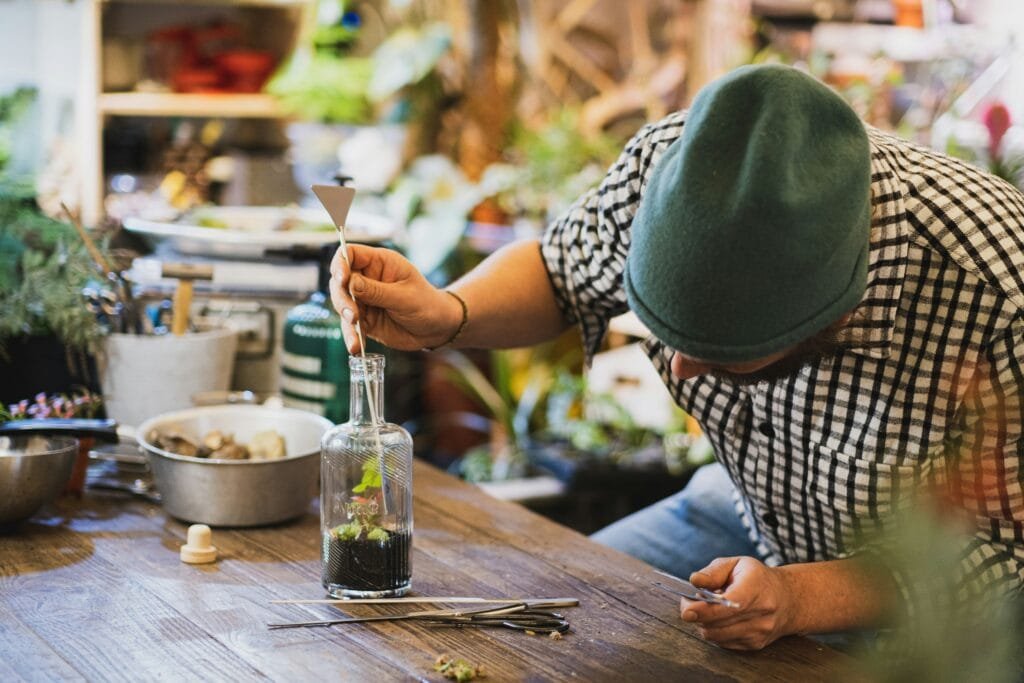
Final Thoughts
The best terrarium plants are the ones that:
- Thrive in humidity
- Stay manageable in size
- Complement each other in texture and shape
When you combine these plants: soft mosses, delicate ferns, structured plants like peperomia, and flowing vines, you create a dynamic assortment of greenery that gives you a slice of nature in your own home.
Disclaimer: Gardening advice on this site is shared for educational and recreational purposes only. Local climate, soil, and environmental factors can affect outcomes. Please research region-specific practices and consult gardening experts for personalized advice.
The information provided in this blog is for general informational and entertainment purposes only. All activities, projects, and recommendations are shared based on personal experience and should be pursued with proper care, safety measures, and personal judgment. The author and website are not responsible for any injury, loss, or damage that may occur as a result of following the content provided. Always research, use appropriate materials and tools, and consult professionals when necessary before beginning any new hobby or project.
You Might Also Like
The Tiny World on Your Desk: Keeping Bladder Snails as Miniature Pets