
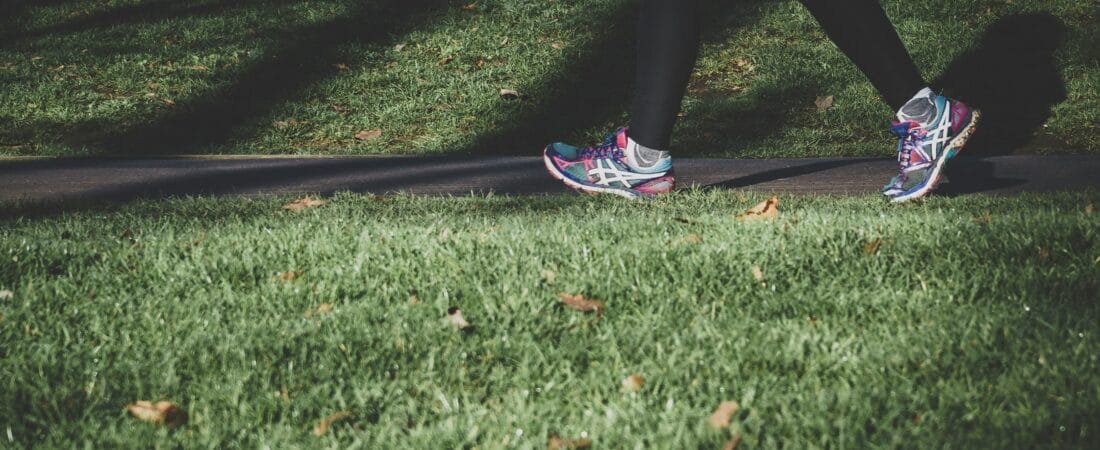
After a cozy dinner with family — maybe a big plate of pasta, a colorful salad, and something sweet for dessert — I’ll often stand up, lace my shoes, and say quietly to my partner, “Want to go for a fart walk?” It always gets a laugh because it sounds silly. But that short walk around the block is a simple routine that not only can clear the mind, but also the gas.
That’s the core of a “fart walk.” It’s a light walk taken within an hour after eating. The name might be cheeky, but the benefits are real: better digestion, steadier blood sugar, improved blood flow. For many, this could be one of the easiest healthy habits to build into everyday life.
What is a “Fart Walk”?
The term “fart walk” has gained popularity in recent years, especially after cookbook author Mairlyn Smith shared her post-dinner walking routine on social media. In more clinical or research-based language, this kind of activity is known as postprandial walking (walking after meals). Researchers have studied post-meal walking for decades, examining how small bouts of movement can support digestion, metabolic health, and overall wellbeing.
In practice, a fart walk is simple: just a gentle stroll for 5 to 15 minutes within an hour of finishing a meal. It doesn’t require intense exercise, special equipment, or big time commitment. What it does require is a little presence and consistency.
Why These Walks Work: What Research Shows
Better Blood Sugar Control
One powerful benefit of post-meal walking is that it helps regulate blood sugar. A 2022 meta-analysis found that even a 2- to 5-minute walk after meals significantly reduces the post-meal glucose spike compared with sitting or standing still.
In another study involving older adults at risk for impaired glucose tolerance, three 15-minute walks (taken 30 minutes after each meal) were as effective for 24-hour glycemic control as a continuous 45-minute morning walk.
For people managing prediabetes, type 2 diabetes, or simply wanting more stable daily energy, this simple habit can act like a gentle metabolic reset after every meal.
Smoother Digestion and Less Bloating
Walking after eating helps stimulate your digestive tract, encouraging food to move more smoothly through your stomach and intestines. Light movement activates the muscles that support digestion and can reduce common post-meal discomforts like gas, bloating, or sluggishness.
If you’ve ever felt sleepy or heavy after a meal, a short walk could be a small but effective way to support your gut and help you feel lighter and more present.
Heart and Circulatory Health
Walking, even gently, increases blood flow, engages your muscles, and supports overall circulation. Over time, regular post-meal walking can contribute to better cardiovascular health, especially when combined with other healthy habits.
Because the effort is mild, a “fart walk” is accessible for many people — including older adults, those with limited mobility, or anyone not up for intense exercise. That makes it an inclusive, low-risk habit with real upside.
A Rhythm of Presence and Mindful Movement
Beyond physiology, fart walks offer a psychological and emotional reset. After busy days full of screens, tasks, and to-do lists, taking a short walk after a meal provides space to be calm and practice mindfulness. You notice your breath, your steps, maybe the sky shifting over the rooftops, or leaves rustling on the sidewalk. That gentle pause helps tether you to your body and the present moment.

How to Start Your Own Post-Meal Walk Habit
If you want to try fart walks, here’s a simple way to begin:
- Aim for gentle steps — no need to push for pace or distance. A slow stroll is often ideal.
- Time it right — walk within 10–60 minutes after you finish eating. The sooner, the better, but even 30 minutes post-meal can work.
- Start small — a 5-to-15 minute walk is enough. As little as 2–5 minutes already shows benefits.
- Choose enjoyable settings — walk outside if you can. Feel the breeze, look at trees, greet your neighbor’s dog. Make it gentle and pleasant, not a chore.
- Use it as a reset — think of the walk as part of your mealtime routine, not extra exercise. It’s a simple rhythm to help your body and mind settle.
Final Thoughts
We live in a culture that praises big progress, like intense workouts, dramatic health overhauls, sweeping lifestyle changes. But sometimes, the simplest habits bring the most gentle, sustainable benefits.
Fart walks are one of those. They don’t require planning, special clothes, or willpower. All they need is awareness and the willingness to move.
Whether you call it a fart walk, a post-meal stroll, or just “going for a walk,” this small habit could be a quiet ally for your digestion, metabolism, and overall sense of well-being.
Next time you finish a meal, try standing up and walking. Not to burn calories, but to help your body settle, your mind soften, and your energy flow. Five minutes, ten, maybe fifteen. That alone might be enough to shift how you feel.
Disclaimer: This blog shares general fitness and wellness tips based on personal experience and research. It is not intended to substitute medical advice, diagnosis, or treatment. Always consult your physician or a qualified healthcare provider before starting any new workout, diet, or health routine. Use of any information on this site is at your own risk.
You Might Also Like:
Let’s Talk About Fiber: Why It’s More Important for You Than You Think