
A few months ago, I sat at my dining table surrounded by tiny LEGO bricks. My original plan was a quick five minute break before diving back into some work drafts. Instead, I found myself transported, happily lost in the world of little plastic pieces. I kept rearranging shapes, testing different ideas, and building things that oftentimes didn’t make sense, but were still fun to create. When I finally looked up from the pieces, I realized that my mind felt clearer and my body felt lighter than it had in weeks. Something as simple as play had reset my whole day.
Many adults forget how to play. We grow up, get busy, and tuck creativity into the corners of our lives. Yet every year, more people are rediscovering playful hobbies because they offer a real boost to mental health. Play gives the mind space to wander, experiment, and breathe. It reminds us that joy can be created instead of found.
If you have been craving more creativity in your life or if you simply want moments that feel softer and more joyful, these playful hobbies can help you get there.
Some Background
Modern life is full of noise. Work demands, family needs, digital overload, and constant decisions can drain our mental energy. Play acts like a reset button. It gives the brain a chance to shift out of productivity mode and slip into imagination and curiosity.
Play also supports emotional wellbeing. It encourages experimentation without pressure and gives us permission to make mistakes without consequence. When adults allow themselves time to play, they often feel more flexible in their thinking, more open to new ideas, and more grounded in their daily lives. The most surprising part is that play does not need to be complicated. Even fifteen minutes can create noticeable shifts in mood and creativity.

LEGO Building for Stress Relief and Creative Flow
There is something soothing about clicking pieces together to build something whimsical or unexpected. LEGO sets have become a major part of adult play culture because they offer a balanced combination of structure and freedom. You can follow the instructions or completely ignore them and create something entirely your own.
For many adults, the experience feels meditative. The hands stay busy while the mind gets a break from serious thoughts. This type of simple, repetitive movement helps people calm down after a stressful day. And the small victories you get along the way like connecting tricky pieces or finishing a colorful scene give you a sense of progress that can feel deeply satisfying.
If you want a place to start, try a small set or reuse old bricks to build something with no rules. The goal is to enjoy the process rather than focus on the finished product.
Painting for Self-Expression and Emotional Release
Painting is one of the most accessible creative outlets for adults. You do not need expensive supplies or specialized training. A basic set of paints, a brush, and paper or cheap canvas can carry you a long way. The beauty of painting is that it welcomes emotion. Every stroke can hold a feeling, a memory, or a moment you want to process.
Some adults prefer structured watercolor sets or Paint by Numbers kits while others love the freedom of acrylics and a blank surface. Many people also enjoy guided painting classes because they mix creativity with social connection. Whether you paint alone or with others, the act of putting color on a page allows your brain to play with possibilities.
Painting also teaches patience. Mistakes happen, colors can mix in surprising ways, and ideas evolve as you go. These small lessons in flexibility can translate to other parts of life, making challenges feel easier to navigate.
Puzzles for Focus, Calm, and Small Bursts of Accomplishment
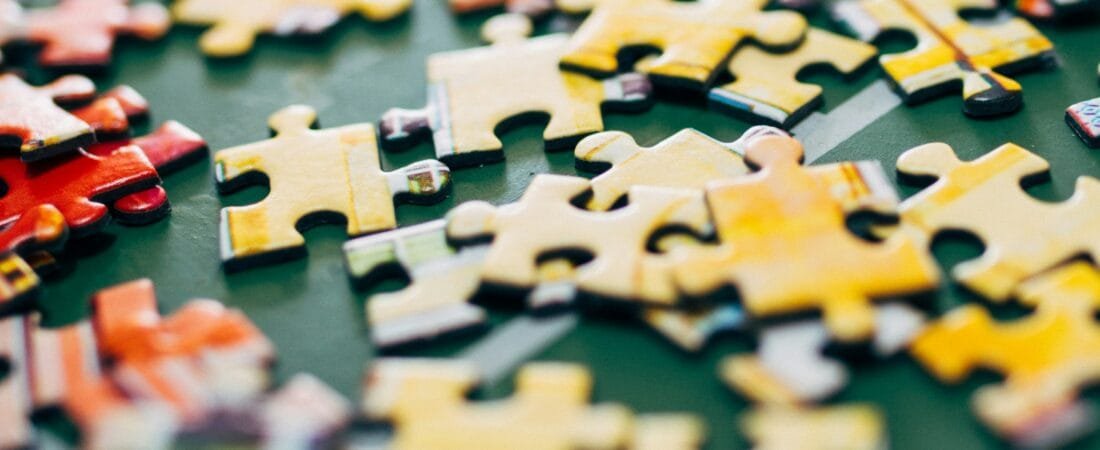
Puzzles are a quiet and steady hobby that can ground the mind. There is something so satisfying about placing the right piece after a long search. Puzzles teach the brain to slow down and pay attention in a mindful way.
You can choose from traditional jigsaw puzzles or try variations like wooden puzzles, gradient puzzles, or 3D puzzles. Many adults use puzzles as an evening wind down ritual because they shift the body into a calmer state and help separate work time from rest time.
A fun way to keep puzzles engaging is to set up a puzzle corner in your home. You can walk by, add a few pieces, and continue your day. Over time, the puzzle becomes a visual reminder that creativity can happen in small moments.
Miniature Painting and Collecting for Imagination and Detail Lovers
Painting miniatures is a hobby that blends creativity, patience, and tiny bursts of satisfaction. Many people start for fun and discover that it becomes one of the most soothing parts of their week. There is something magical about transforming a plain little figure into a tiny world full of color and character. The process requires focus, and that focus can feel peaceful because your attention narrows to something manageable and joyful.
The miniature community is also very welcoming. There are videos, tutorials, and local groups where people share tips and celebrate each other’s creations. For collectors, building a small shelf or display case becomes a source of pride and inspiration.
If you want to try miniature painting, begin with a simple figure and a small paint set. The learning curve is gentle, and the fun grows quickly.
Other Playful Hobbies to Brighten Your Days
There are countless ways to play. What matters most is choosing something that sparks curiosity or makes you smile. Here are a few more ideas that fit beautifully into an adult lifestyle.
Clay sculpting
Soft clay encourages playful discovery. You can create tiny figurines, functional pieces, or abstract shapes that feel good in your hands. You can use polymer clay to make figurines and keychains, or you can use air dry clay to create ornaments or display bowls.
Adult coloring books
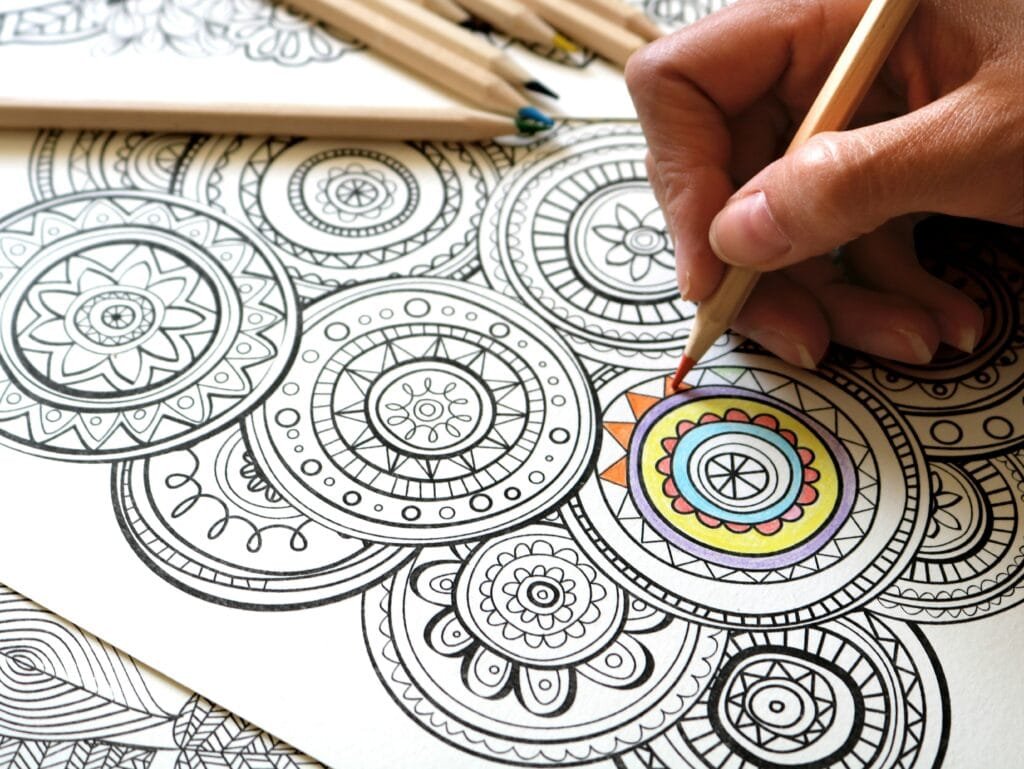
Coloring offers stress relief and structured creativity. It is easy to pick up and put down, making it perfect for short breaks.
Origami
Folding paper into beautiful, creative shapes trains patience and focus while offering quick wins as your creations take form.
Creative journaling
Mix drawings, stickers, scrapbook elements, or freeform doodles to express thoughts in a fun and flexible way.
Board games and tabletop games
Playful strategy boosts mental flexibility and brings social connection into the mix.
How Play Supports Long Term Wellbeing
Play is not just a hobby. It is a practice that nurtures emotional resilience. Adults who play regularly often feel more balanced because they have an outlet that reminds them to step back, breathe, and reconnect with themselves. Play also supports a sense of identity. When life becomes routine, creativity can help you rediscover parts of yourself that you forgot you loved.
Many adults report better mood regulation, improved focus, and more energy when they incorporate playful activities into their weekly routine. It is a gentle form of self care that does not require travel, expensive tools, or big commitments.
Play also strengthens relationships. When you share a creative hobby with someone you care about, you create space for laughter, bonding, and connection.
How to Bring More Play Into Your Life
- Start small with a hobby that feels inviting rather than intimidating.
- Set aside short pockets of time like ten minutes in the morning or fifteen minutes before bed.
- Choose a space at home where creativity feels welcome.
- Let go of perfection and focus on enjoyment.
- Rotate hobbies to keep your creativity feeling fresh.
- Keep supplies visible and accessible so play becomes a natural part of your day.
Final Thoughts
Adults deserve to play, too. It is one of the simplest ways to reconnect with creativity and bring more ease into daily life. Play reminds us that happiness is something we can build with our own hands. It does not need to be polished or impressive. It just needs to be ours.
Disclaimer: The information provided in this blog is for general informational and entertainment purposes only. All activities, projects, and recommendations are shared based on personal experience and should be pursued with proper care, safety measures, and personal judgment. The author and website are not responsible for any injury, loss, or damage that may occur as a result of following the content provided. Always research, use appropriate materials and tools, and consult professionals when necessary before beginning any new hobby or project.
You Might Also Like:
Brain-Boosting Hobbies: How Chess, Jigsaw Puzzles, and Juggling Strengthen Your Mind Every Day
Cozy Gaming: Finding Calm, Creativity, and Connection in Virtual Worlds