
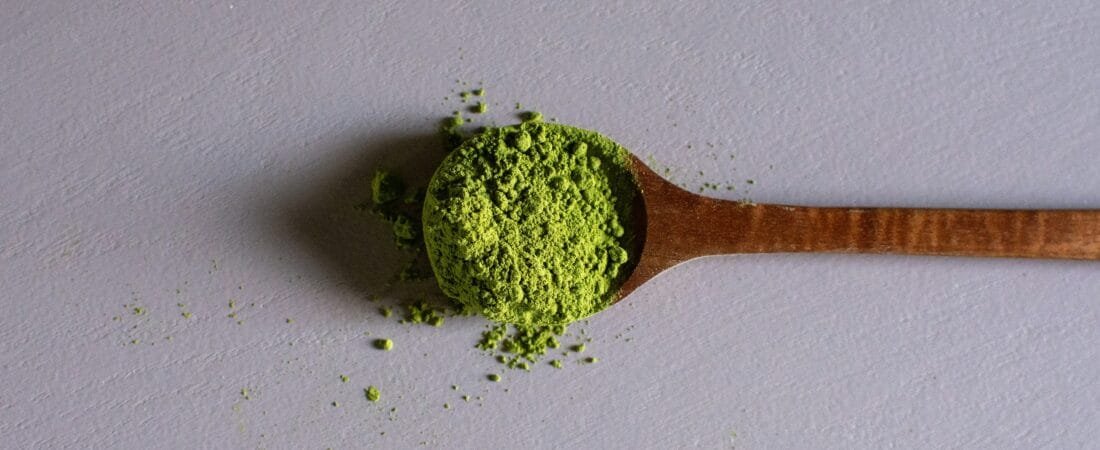
At first glance, matcha might seem like just another trendy drink. It’s bright green, a little earthy, and everywhere on social media. But beneath the aesthetic, there’s something else happening.
Matcha is made from finely ground green tea leaves, which means that you’re consuming the entire leaf, not just steeping it. That alone gives it a more concentrated profile of nutrients, antioxidants, and natural compounds.
The Calm Energy Effect (Thank L-Theanine)
Matcha contains caffeine, yes. But it also contains an amino acid called L-theanine, which changes the entire caffeinated experience.
Instead of a sharp spike in energy, L-theanine works alongside caffeine to promote:
- Calm focus
- Reduced stress
- Sustained alertness
L-theanine is associated with improved concentration and mental clarity, while also helping take the edge off caffeine’s intensity. That’s why matcha energy feels different when compared to coffee energy.
Because of the combination of caffeine + L-theanine, matcha has been linked to:
- Improved attention
- Better memory and response time
- Enhanced focus
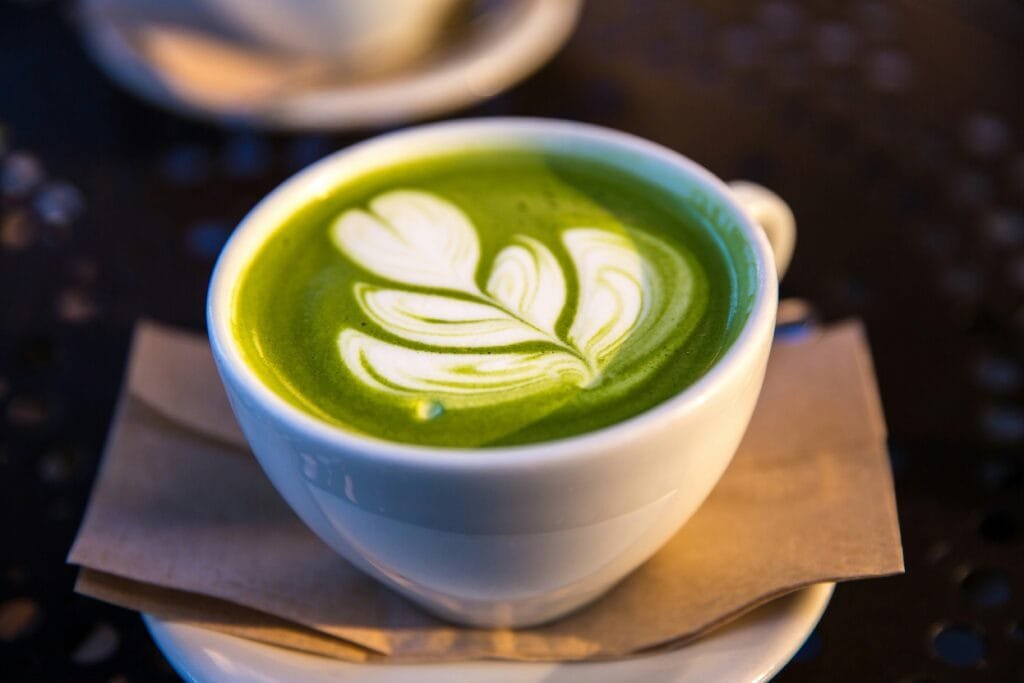
Antioxidants: The Quiet Work Happening Beneath the Surface
Matcha is rich in compounds like catechins, polyphenols, and chlorophyll. These antioxidants help:
- Reduce inflammation
- Protect cells from damage
- Support overall long-term health
Studies show these compounds can help lower oxidative stress and even support heart health by improving cholesterol and blood pressure levels over time.
A Few Things to Keep in Mind
Like anything, matcha works best with balance.
- It still contains caffeine (just less than coffee)
- Too much can lead to restlessness or sleep disruption
- Added sugars in lattes can take away from its benefits
A cup or two a day is often enough to enjoy its benefits without overdoing it.
Final Thoughts
Drinking matcha doesn’t always mean replacing coffee, but it does redefine energy experiences. Sometimes we don’t need a spike of stimulation. Instead, we need a calmer type of energy that matcha can provide.
Disclaimer: The recipes and nutritional content shared on this blog are based on personal experience and general wellness principles. They are not intended to diagnose, treat, cure, or prevent any health condition. Please consult with a healthcare provider or registered dietitian before making any significant dietary changes, especially if you have allergies or health conditions.
You Might Also Like:
Social Drinks and Tonics: Calm, Focus, and Connection Without the Buzz