
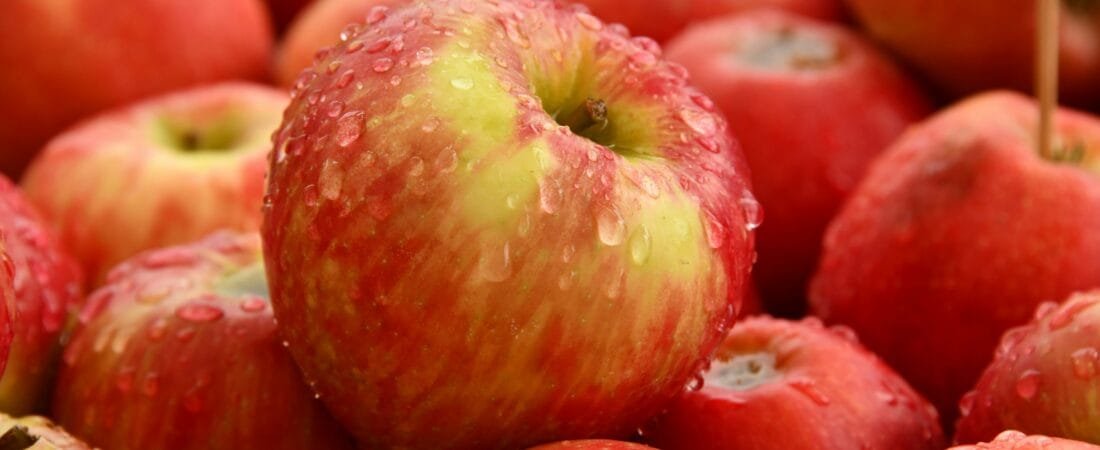
Recently, a trending choice of beverage has been boiled apples—a warm, comforting drink rooted in traditional Chinese medicine that’s now trending across Western wellness spaces.
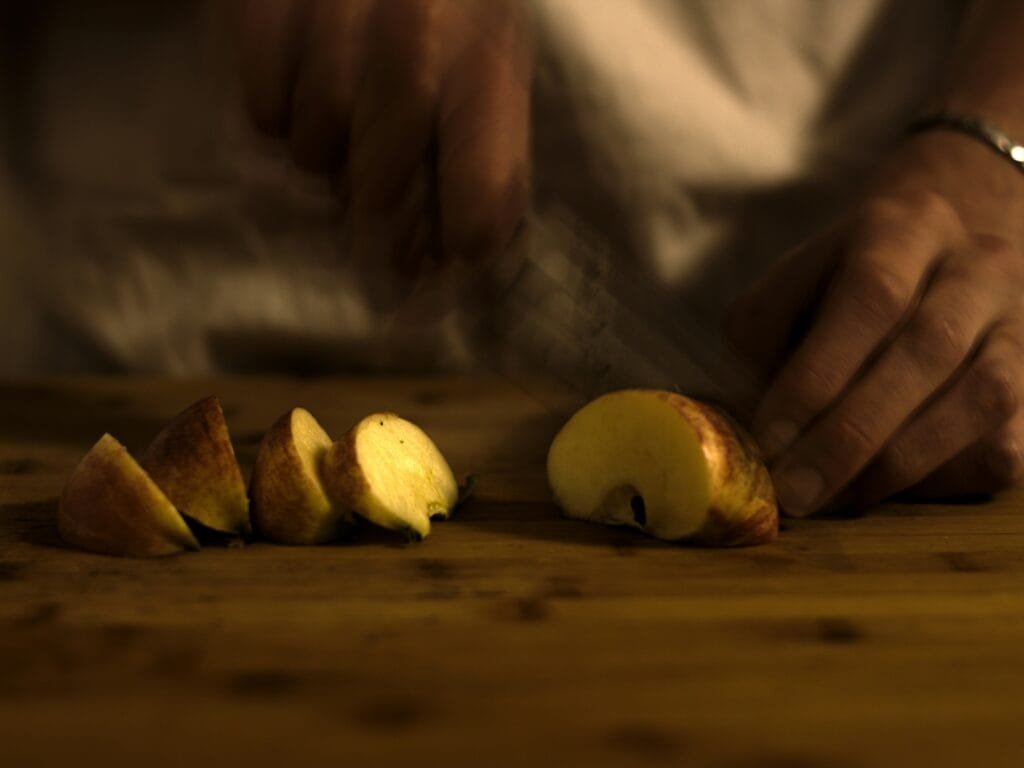
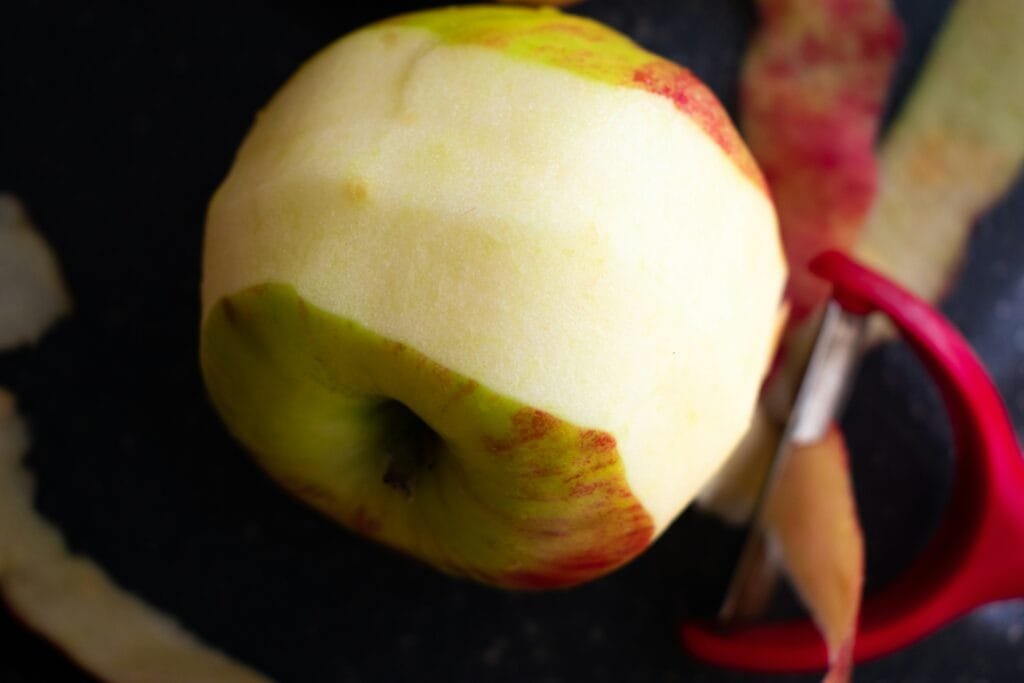
To make it, you first peel and chop an apple (sweet varieties like Fuji or Gala work especially well). You then add it to water and simmer until the apples turn soft. From there, you can drink it as-is, add a sweetener of your choice (if you prefer sweeter drinks), and include extras like ginger, dried goji berries, or dried jujubes for added flavor and benefits.
Where This Practice Comes From
In traditional Chinese medicine, warm foods and drinks are often preferred over cold ones, especially when it comes to digestion.
Instead of eating fruit raw (which can sometimes feel harsh on the stomach for some people), cooking it softens the texture, makes it easier to digest, and creates a warming effect on the body.
And while it’s recently become popular online, the idea itself isn’t new—it’s been around for generations.
The Benefits of Drinking Boiled Apples
1. Support for Digestion
Boiled apples are often associated with digestive comfort.
Cooking apples softens their natural fibers, making them easier for the body to process. Some sources suggest this can help support digestion and ease mild discomfort.
At the same time, it’s important to keep expectations realistic. Research suggests that much of the fiber in apples (which plays a major role in digestion) is reduced or left behind if the fruit itself isn’t consumed. What still helps, though, is the warm liquid itself, which can support hydration and gently stimulate digestion.
2. A Simple Way to Stay Hydrated
Sometimes the benefit isn’t just what you’re drinking, but that you’re drinking at all. Warm apple water can be an easy alternative to sugary drinks, helping reduce overall sugar intake while still feeling enjoyable. And because it has a naturally light sweetness, it can make staying hydrated feel a little more varied (compared to drinking just water).
3. Light Antioxidant Support
Apples contain antioxidants like vitamin C and polyphenols, which help protect cells from damage. Even after boiling, small amounts of these compounds remain in the water, offering mild antioxidant benefits.
While it’s not a replacement for whole fruits, it can still contribute to your overall intake.
4. A Comforting, Low-Effort Habit
One of the biggest reasons this practice has gained popularity is how approachable it is.
It doesn’t require expensive ingredients, complicated prep, or a strict routine. All you need is apples and boiling water, and you’re on your way to warmth and comfort.
5. Customizable for Added Benefits
One of the best parts about boiled apples is how adaptable it is.
You can enhance it with ingredients like:
- Ginger (commonly used for digestion and warmth)
- Dried goji berries (often associated with antioxidant support)
- Dried jujubes (traditionally used to support energy and calmness)
In traditional practices, combinations like apple and jujube are used to support digestion and overall balance.
It’s easy to see a trend like this and expect dramatic results. But the truth is, boiled apple water isn’t a miracle drink.
It won’t instantly fix digestion, replace whole fruits, or even transform your health overnight. What it can do is offer small health benefits and a comforting drink that will help keep you hydrated.
Final Thoughts
Boiled apples are simple, accessible, and easy to make your own.
They offer a warm way to stay hydrated, a gentle option for digestion, and a flexible base you can build on with other ingredients. While the benefits aren’t extreme, they’re still meaningful when this becomes a consistent part of your routine.
Disclaimer: The recipes and nutritional content shared on this blog are based on personal experience and general wellness principles. They are not intended to diagnose, treat, cure, or prevent any health condition. Please consult with a healthcare provider or registered dietitian before making any significant dietary changes, especially if you have allergies or health conditions.
You Might Also Like:
Mindful Eating: The Simple Practice That Changes How You Live at the Table