
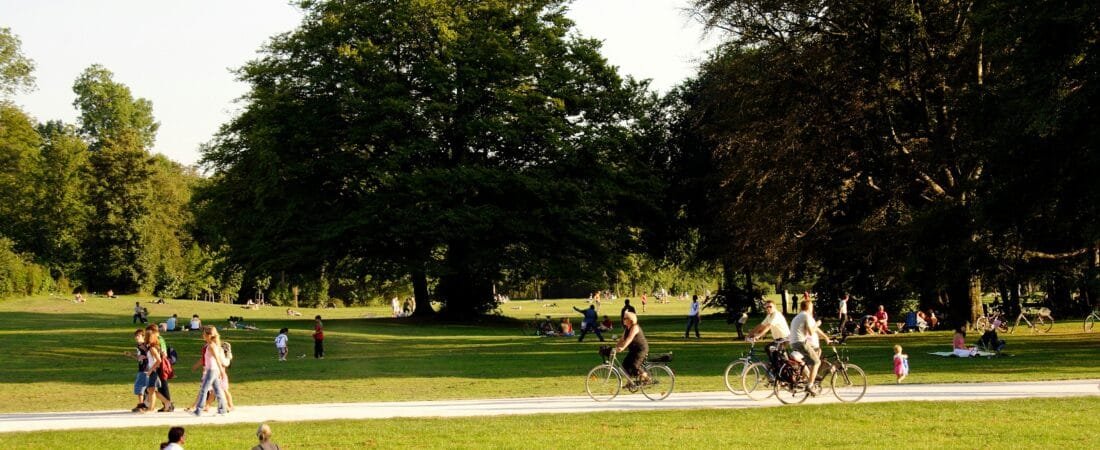
The idea of a “third space” comes from sociology, describing the spaces we spend time in outside of our first space (home) and second space (work or school).
Third spaces are informal, accessible, community-oriented, and low-pressure. They’re places where connection can happen naturally without an agenda.
And importantly, the best third spaces are ones where you don’t feel obligated to spend money just to exist there.
At first glance, third spaces might seem like a luxury. But in reality, they:
1. They Create Room to Breathe
When your day is structured around responsibilities, it can feel like every hour is accounted for.
Third spaces offer something different. They give you a place to sit without rushing, think without interruption, and room to simply exist without needing to be “productive.”
2. They Support Natural Connection
Not every interaction needs to be planned. In third spaces, connection happens more organically. It can be a quick conversation at a park bench, a shared moment in a quiet reading room, and even a familiar face you start to recognize over time. They create a sense of community that feels subtle, but steady by putting faces, and even names, to the people that are living in your community.
3. They Reduce Isolation
Even when life is full, it can still feel isolating.
Third spaces help counter that by offering presence without pressure. You don’t have to talk or engage with others. Just being around others, hearing quiet conversations and seeing people move through their day, can help you feel more connected.
4. They Make Cities Feel Human
Without third spaces, cities can start to feel transactional.
Go here. Buy this. Leave.
But third spaces turn that notion on its head and turn your city into something more livable. Perceiving people in your neighborhood is a great way to humanize your community and make you feel a part of it, instead of disconnected from it.
Free (or Low-Cost) Third Spaces to Seek Out:

1. Libraries
Libraries are one of the most underrated third spaces.
They offer calm, quiet environments, free access to books, resources, and knowledge, and a space to sit without expectation of payment.
2. Parks: Open Space, Fresh Air, and Perspective
Parks are one of the most accessible third spaces available.
They give you room to walk or sit, fresh air and natural light (for that good Vitamin D!), and a break from indoor routines.
Whether it’s a short walk or just sitting on a bench, parks create a kind of mental reset that’s hard to replicate elsewhere.
3. Community Centers
Community centers often host classes, events, and shared spaces for gathering. And even outside of structured activities, they offer a place where people come together and engage with other members of their community.
Third Spaces That May Involve Spending (But Still Offer Value)
Some third spaces do involve spending money, but they can still serve the same purpose when approached in a third space mindset.

Coffee Shops
Coffee shops offer a balance between structure and freedom.
You can sit with a drink, work, read, journal, or people-watch without feeling out of place. While you usually buy something, the experience isn’t rushed. You’re allowed to stay, settle in, and take your time.
Bookstores
Bookstores feel a lot like libraries, but with a little more movement. You can browse without buying, discover new ideas and interests, and spend time in a calm, thoughtful environment.
Even when you do make a purchase, it often feels intentional and not obligatory.
Final Thoughts
Third spaces are simple, but they serve an important role. They give you a place to step outside of routines, exist around others, and spend time in an environment that doesn’t demand anything from you.
In a busy world, having somewhere to go where you don’t have to be “on” can make everyday life feel more manageable, and third spaces (in our opinion) are the best way to do that.
Disclaimer: The information provided in this blog is for general informational and entertainment purposes only. All activities, projects, and recommendations are shared based on personal experience and should be pursued with proper care, safety measures, and personal judgment. The author and website are not responsible for any injury, loss, or damage that may occur as a result of following the content provided. Always research, use appropriate materials and tools, and consult professionals when necessary before beginning any new hobby or project.
You Might Also Like:
The Benefits of Boredom: Why Doing Nothing Sometimes Means Everything