
Despite much of our modern world being in the digital space, paper can still pile up quickly—old notes, junk mail, packaging—and before we know it, it all feels like waste waiting to be tossed aside.
But what if those scraps weren’t the end of something? What if they were the beginning of something new?
Paper recycling as a hobby is one of those rewarding practices that’s creative, sustainable, and is a quiet and surprisingly calming process. It offers you a chance to slow down, work with your hands, and transform what would have been discarded into something beautiful and useful.
Paper recycling:
- Reduces waste
- Encourages creativity and experimentation
- Creates one-of-a-kind paper for journaling, cards, or art
What You’ll Need
You’ll need just a few basic tools to get started:
- A sponge
- A mould and deckle (a frame with window screen mesh)
- A piece of fabric or microfiber cloth (larger than your frame)
- A basin or tub
- A blender
- Water
- Scrap paper (old notes, printer paper, paper bags, etc.)
The fabric acts as your drying surface, so choose something absorbent and smooth.
Step 1: Prepare Your Paper
Start by ripping or shredding your paper into small pieces.
Once shredded, place the pieces in water and let them soak for 1–2 hours. This softens the fibers and prepares them for blending.
Step 2: Blend Into Pulp
Take your soaked paper and add it to a blender with some of the soaking water.
Blend until the mixture becomes a soft, even pulp (thick, but still fluid).
Step 3: Create Your Paper Mixture
Pour the blended pulp back into a basin filled with water and stir it well so the pulp is evenly distributed throughout. An even mixture helps create smoother, more consistent sheets.
Step 4: Form Your Paper Sheet
Take your mould (screen side up) and place the deckle evenly on top.
Submerge both into the basin and gently lift them up, allowing the pulp to settle into an even layer across the screen.
Important note:
Do not pour leftover pulp water down the drain, as it can clog your pipes. Dispose of it outdoors (it’s perfect for composting if you’re sure that there are no toxic dyes) or reuse it for another batch.
Step 5: Transfer to Fabric
Place your mould and deckle over your fabric (on a flat surface).
Carefully:
- Remove the deckle
- Flip the mould face down onto the fabric
- Gently lift the mould
If everything goes smoothly, your paper sheet should transfer onto the fabric. If it tears, don’t worry. It likely just needs a thicker pulp layer next time.
Step 6: Remove Excess Water
If your sheet is not lifting from the mould, you can complete this step while the mould is still on the fabric.
Using a sponge or absorbent material, gently press on the paper to remove excess water. Start softly, then gradually apply more pressure as the sheet becomes more stable.
This step helps your paper hold its shape and dry more evenly.
Step 7: Dry Your Paper
Now it’s time to let your paper set. You have two options:
Air Dry
Let the paper dry naturally on the fabric. This takes longer but requires no extra steps.
Speed It Up
Place a thin towel over the sheet and gently iron it to help it dry faster.
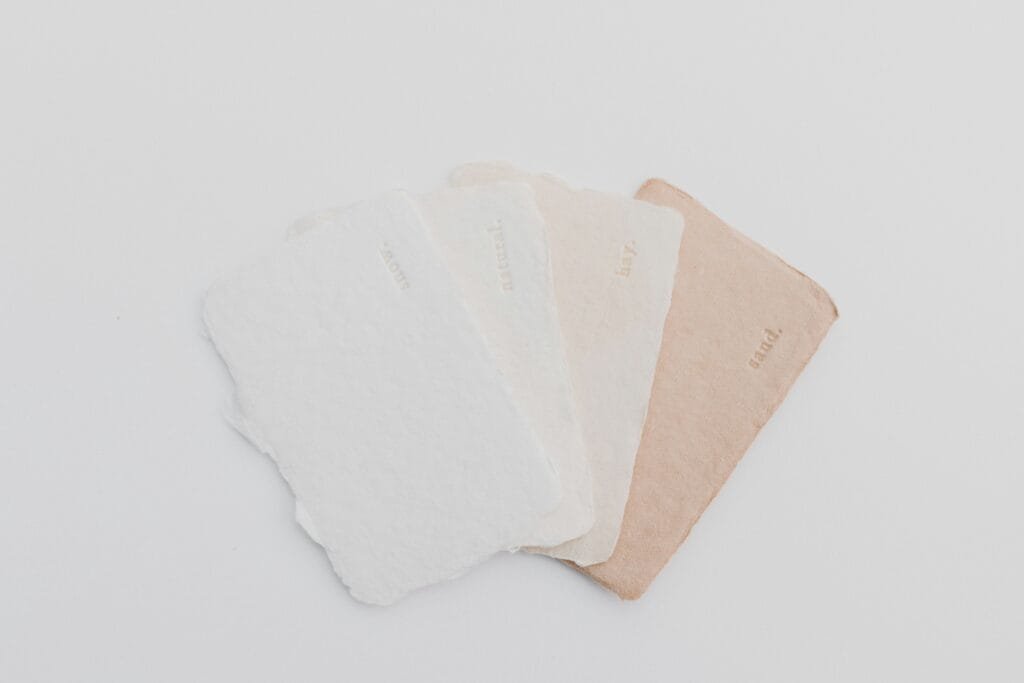
Either way, the end result is the same: a completely unique, handmade sheet of paper.
Final Thoughts
Paper recycling is a perfect hobby if you’re looking to create and experiment. Each sheet you make will be slightly different, and that’s part of the beauty. You can add dyes to make the paper different colors, or even add pressed flowers and leaves to the moulding and drying stages to create unique, artistic paper pieces.
Disclaimer: The information provided in this blog is for general informational and entertainment purposes only. All activities, projects, and recommendations are shared based on personal experience and should be pursued with proper care, safety measures, and personal judgment. The author and website are not responsible for any injury, loss, or damage that may occur as a result of following the content provided. Always research, use appropriate materials and tools, and consult professionals when necessary before beginning any new hobby or project.