

There’s a certain kind of overwhelm that comes from many small things quietly piling up; a stack of papers you meant to go through, and a surface that slowly became a “just set it here for now” space creates a mental load for you to carry.
At some point, it starts to feel like too much to even begin, and it’s not just about the stuff.
It’s about:
- Decision fatigue (“Do I keep this or not?”)
- Emotional attachment
- Lack of time or energy
- Not knowing where to start
If that’s where you are right now, take a deep breath. If you’ve been putting it off, it doesn’t mean you’re unmotivated, it just means you need a gentler approach.
Decluttering doesn’t have to be an all-day project. It doesn’t have to be perfect. And it definitely doesn’t have to happen all at once. All you need is a starting point.
So start small.
Instead of looking at your entire space and thinking, “I need to fix all of this,” narrow your focus. Pick one small area, like a single drawer, one section of your desk, or a corner of a room.
Because once you finish one space, even a small one, you create momentum that you can
Short on Time? Try the 5–10 Minute Reset Method
If your days feel full, this method works with your schedule instead of against it.
- Set a timer for 5–10 minutes
You’re committing to just a small window of time. - Categorize items by type
Instead of making dozens of decisions, group items simply. For example:- “Office” (ex. pens, pencils, scissors, papers)
- “Bookshelf” (ex. Books, decor)
- “Trash”
- “Keep”
- Give everything a home
- Pens → pencil case
- Papers → file or folder
- Miscellaneous items → designated drawer or container
- Put items where they belong
The key here is consistency. Everything should have a place it returns to.
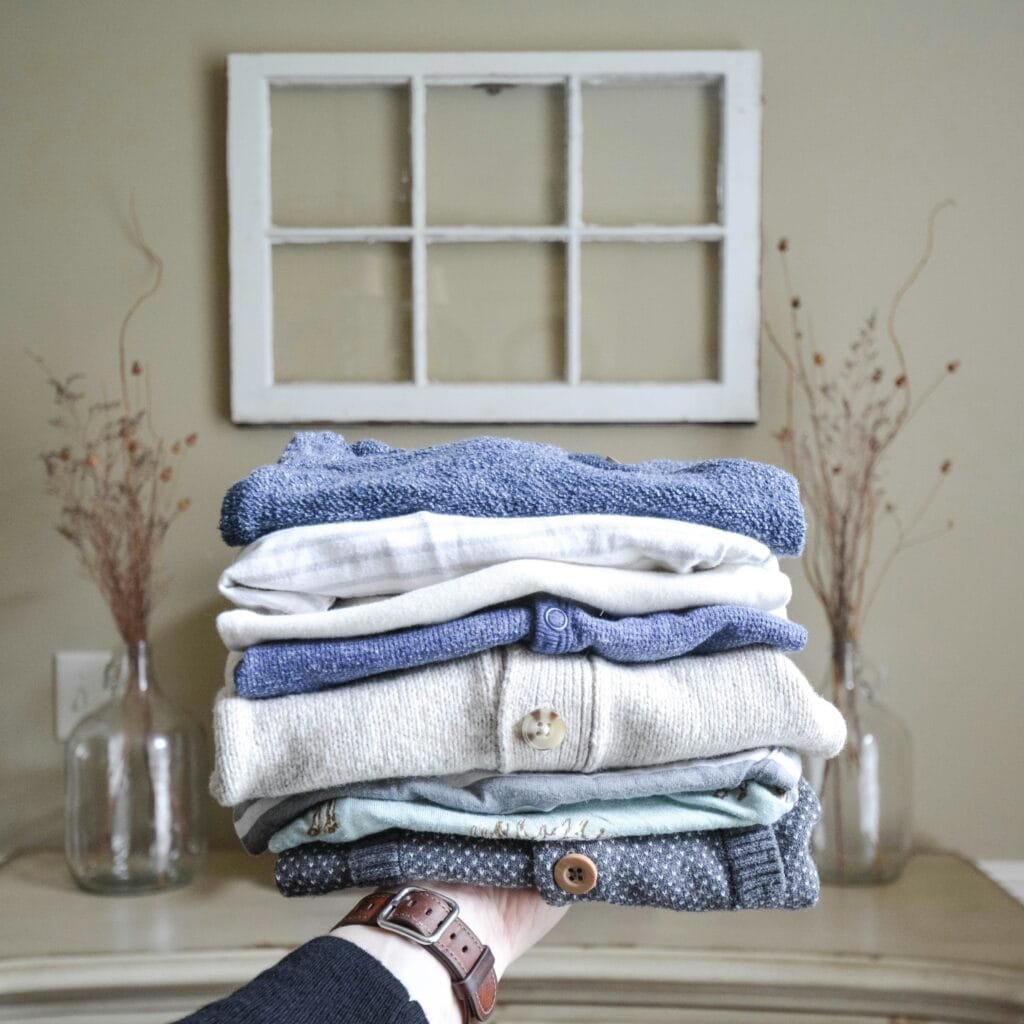
Other Decluttering Methods (Find What Fits You)
There’s no one “right” way to declutter. Different methods work for different people, and that’s okay.
These may take more time than the 5-10 minute reset, but here are a few popular approaches you can explore:
The KonMari Method
This method focuses on keeping items that serve a purpose or “spark joy.”
You go through categories like:
- Clothes
- Books
- Papers
- Miscellaneous items
- Sentimental items
And ask yourself how each item feels. Does it serve a purpose? If not, does it spark joy for you?
As Marie Kondo describes in Spark Joy:
“When something sparks joy, you should feel a little thrill… When you hold something that doesn’t bring you joy… your body feels heavier.”
It’s less about what you’re letting go of, and more about what you’re choosing to keep.
Swedish Death Cleaning
Despite the somewhat morbid name, this method is actually very thoughtful and grounding.
The idea is to reduce what you leave behind for others to manage after you pass and focus on what truly adds value to your life.
You typically:
- Start with larger items
- Move to smaller ones
- Save sentimental items for last
The guiding questions become: “Does this make life more pleasant?” “Does it make life more comfortable?”“Will I be more comfortable if this were gone?”
The Four-Box Method
This one is simple and structured. Label four boxes:
- Keep
- Discard
- Donate (or sell)
- Undecided
Sort items into each box, then revisit the “undecided” category and make final choices.
Once you’re done:
- Put away what you’re keeping
- Let go of the rest
It’s direct, and it’s helpful when you need clear boundaries.
Final Thoughts
Decluttering doesn’t have to be overwhelming. It can be one small area, one short session, or even just one simple decision at a time.
Regardless of the method you choose, the ultimate goal is to lighten your load, and having that clear space can ease your mind.
Disclaimer: Content related to journaling, meditation, or emotional well-being is intended for informational and inspirational purposes only. It does not replace professional mental health care, therapy, or counseling. If you are struggling with mental health issues, please seek help from a licensed mental health professional. All decorating ideas and home advice shared on this blog are based on personal taste, style, and experience. Results may vary depending on materials, tools, and individual preferences. Always use caution when using tools or altering your living space, and consult professionals when needed.
You Might Also Like:
Lüften: The 10-Minute Habit That Refreshes Your Entire Space
Fungus Gnats in Your Home? Here’s How to Get Rid of Them (Without the Stress)