

It’s nice to have an evening routine, and for me, tea is a nice treat. Starting the kettle a couple hours before bedtime is something I do without even thinking at this point, and taking the time to sip and just exist with no other distractions feels like I’m releasing all the stressors of the day.
And while most of us reach for the familiar (green tea, chamomile, maybe peppermint), there’s a whole world of lesser-known teas that bring their own flavors, traditions, and gentle benefits.
Let’s explore a few you might not have tried yet, but might end up coming back to.
1. Raspberry Leaf Tea
Flavor: Mild, slightly earthy, a bit like black tea but softer
Raspberry leaf tea has been traditionally used as a uterine tonic, especially in women’s health contexts.
It’s often associated with:
- Supporting reproductive health
- Providing minerals like iron and magnesium
- Gentle nourishment rather than stimulation
2. Mugwort Tea
Flavor: Herbal, slightly bitter, earthy
Mugwort has a long history in traditional practices, often linked to:
- Relaxation
- Dream support
- Sleep rituals
While modern research is still developing, mugwort is commonly used for its calming, nervous-system-supporting properties.
This is a tea I usually reach for in the evening, when the day is winding down and my thoughts are ready to ease up.

3. Goji Berry Tea
Flavor: Lightly sweet, slightly tart
Goji berries are rich in antioxidants like carotenoids and polyphenols, which help protect against oxidative stress.
They’ve also been associated with:
- Immune support
- Blood sugar balance
- Sustained energy levels
4. Barley Tea (Boricha)
Flavor: Toasty, nutty, slightly roasted
Barley tea is caffeine-free and widely enjoyed in East Asia.
It’s often appreciated for:
- Supporting digestion
- Hydration without stimulants
Barley itself contains antioxidants and soluble fiber, which are linked to overall metabolic health.

5. Moringa Tea
Flavor: Green, slightly grassy, similar to spinach or matcha
Moringa is often called a “nutrient-dense plant,” and for good reason.
It contains:
- Antioxidants
- Vitamins A, C, and E
- Compounds linked to anti-inflammatory effects
Research suggests moringa may help reduce oxidative stress and support overall health.
6. Jujube (Red Date) Tea
Flavor: Naturally sweet, warm, slightly caramel-like
Jujube has been traditionally used for:
- Supporting sleep
- Reducing stress
- Aiding digestion
- Promoting memory and learning
7. Corn Tea (Oksusu-cha)
Flavor: Light, subtly sweet, almost like warm cereal milk
Corn tea is simple, but surprisingly comforting.
It’s often enjoyed for:
- Hydration
- Digestive support
- Being completely caffeine-free
8. Nettle Tea
Flavor: Green, slightly earthy, similar to mild spinach
Nettle is rich in plant compounds like polyphenols and carotenoids, which have antioxidant and anti-inflammatory properties.
It’s also been studied for:
- Supporting inflammation balance
- Helping with seasonal allergies
- Providing vitamins and minerals
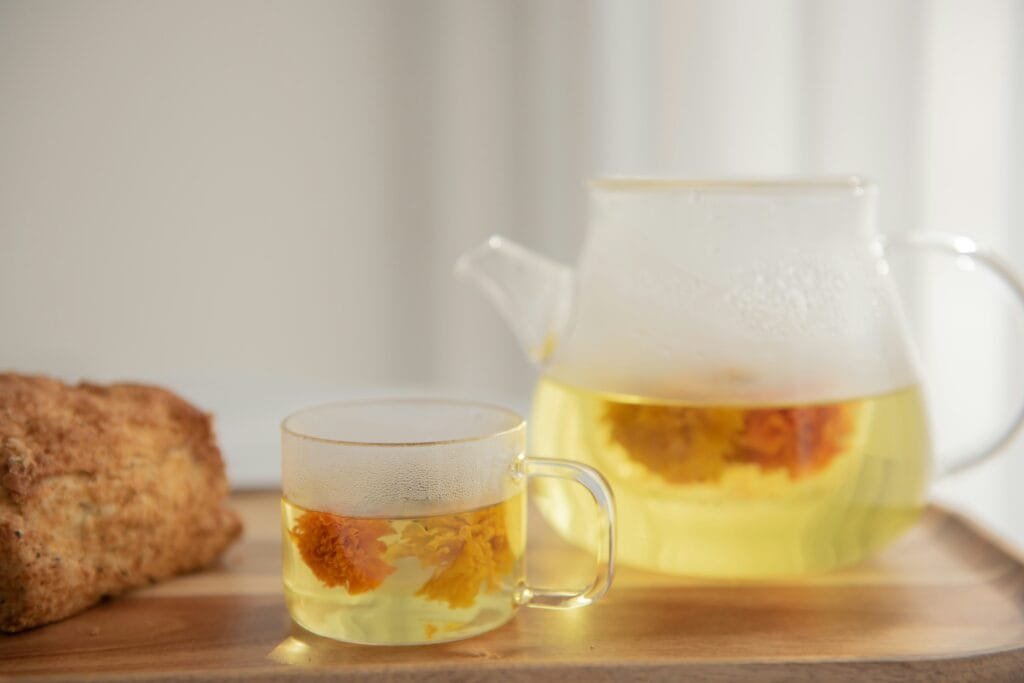
9. Chrysanthemum Tea
Flavor: Light, floral, slightly honey-like
Traditionally used in East Asian herbal practices, chrysanthemum tea is often associated with:
- “Cooling” the body
- Supporting eye health
- Calming the mind
It’s delicate, floral, and especially refreshing when you want something light.
10. Lotus Leaf Tea
Flavor: Mild, slightly grassy, subtly bitter
Lotus leaf tea has been explored for its potential role in:
- Supporting metabolism
- Aiding digestion
- Promoting a sense of lightness after meals
Final Thoughts
These teas aren’t about replacing your favorites.
They’re about expanding your options, giving you more ways to:
- Slow down
- Try something new
- Support your body with nutrition
So if your routine has been feeling a little repetitive or stale lately, this is your invitation to try something different. You just might find your new favorite!
Disclaimer: The recipes and nutritional content shared on this blog are based on personal experience and general wellness principles. They are not intended to diagnose, treat, cure, or prevent any health condition. Please consult with a healthcare provider or registered dietitian before making any significant dietary changes, especially if you have allergies or health conditions.