
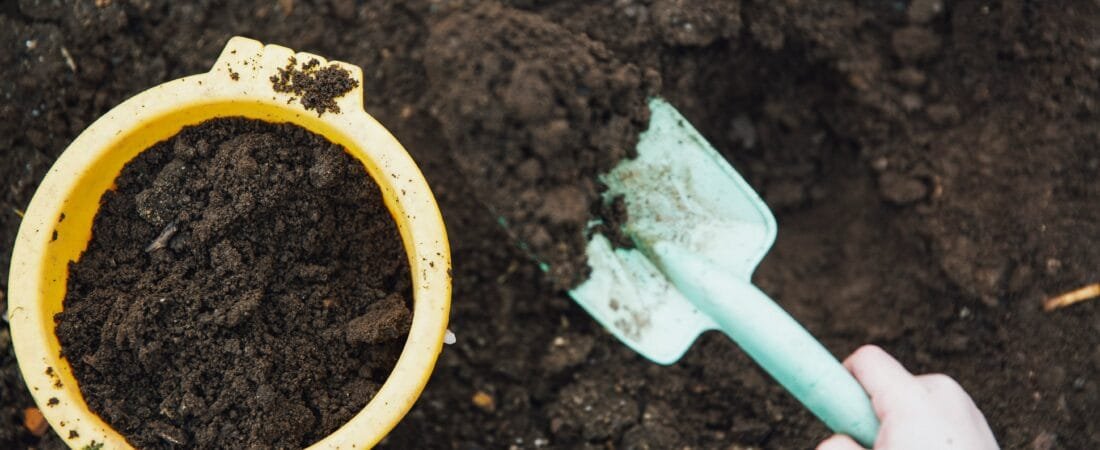
Composting is one of those chores that is truly alive.
What was once a pile of scraps slowly becomes a small ecosystem— working, breaking things down, turning yesterday’s waste into tomorrow’s nourishment. And the beating heart of that transformation are some very small, very mighty helpers.
These compost critters don’t need much in terms of care. They simply do what they’ve always done: eat, recycle, and restore balance. Below are some of our favorite compost companions, each bringing their own strengths, quirks, and surprising charm.
Springtails: Tiny, Tireless, and Surprisingly Powerful
Springtails may be tiny (barely noticeable at first glance), but they are absolute workhorses in the composting world.
They are incredibly easy and inexpensive to keep. A basic culture can be maintained in something as simple as a small Tupperware container, and their needs are minimal.
They:
- Require only a few grains of uncooked white rice per month
- Thrive indoors at room temperature
- Don’t need elaborate setups or constant monitoring
Despite their size, springtails play an important role in breaking down organic matter and helping prevent mold buildup, especially in indoor compost systems.
A Note on Culture Care
One important thing to know is that springtail cultures can crash spontaneously. It’s not always clear why, and it can happen even when conditions seem perfect.
Because of this, we strongly recommend maintaining more than one culture at a time. We personally keep three separate cultures, but at the very least, two are essential. Redundancy here is more for peace of mind.
Springtails can also be safely introduced into outdoor gardens with minimal risk of disrupting existing microfauna, making them one of the most flexible compost allies around.
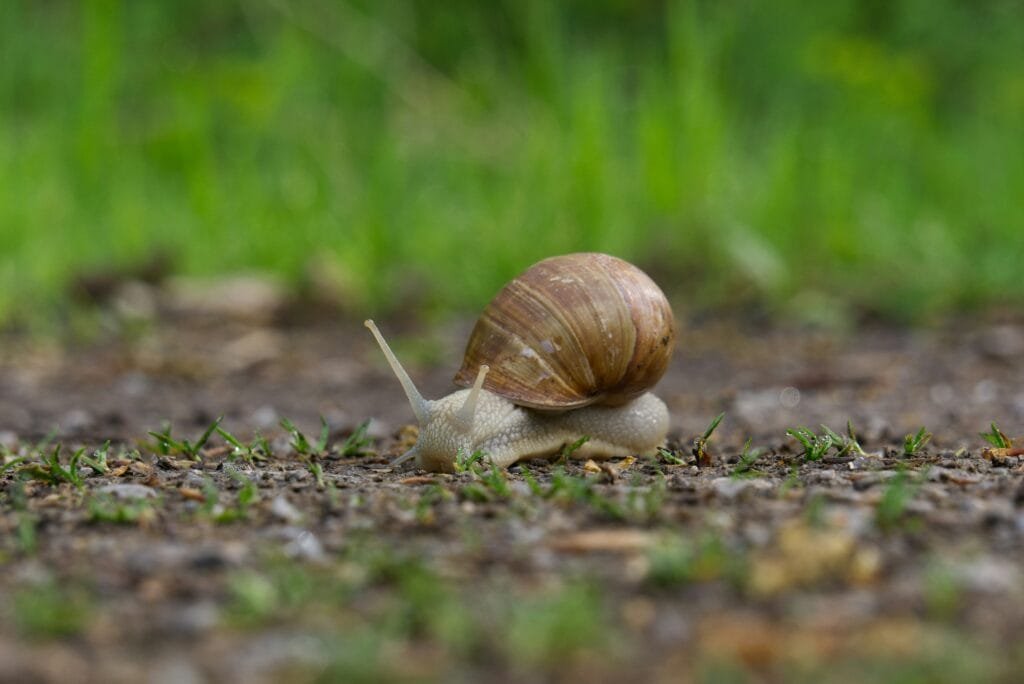
Garden Snails: Efficient Feeders with Big Personalities
Garden snails tend to get a bad reputation, and to be fair, they are considered invasive in many areas. But in the right context, they can be incredibly useful compost helpers.
For indoor compost bins or controlled enclosures, garden snails are remarkably efficient feeders. They consume a wide variety of plant matter, including scraps that often go untouched by other detritivores.
Instead of adding them directly to a compost bin, we prefer to:
- Feed compost scraps directly into their enclosure
- Offer plant trimmings regularly
- Let them process the material safely and efficiently
This method gives you the benefits of their composting power without the ecological risks.
Snails are also surprisingly enjoyable to keep as pets. Their behaviors, routines, and subtle personalities make them fascinating to observe!
A Thoughtful Quarantine Tip
There’s a well-known trick often attributed to Gordon Ramsay: feeding snails only carrots for a few days until their droppings turn orange. Traditionally, this method is used to determine when snails are ready for cooking, as it helps flush their digestive systems.
While this doesn’t actively kill pathogens, it does serve as a useful quarantine and observation period. We recommend this process before housing multiple snails together, as it’s a simple way to ensure they’re ready to join a shared environment.
Because of their invasive nature, we do not recommend releasing garden snails into outdoor compost bins.
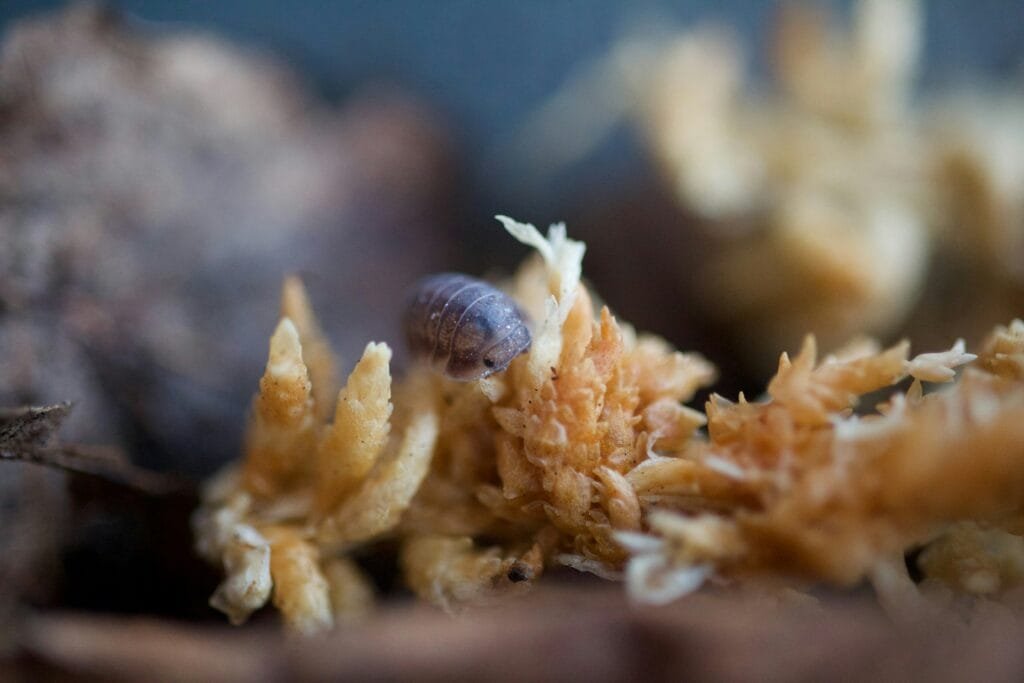
Isopods: The Cleanup Crew You Can Find in Your Backyard
If springtails are the quiet background workers, isopods are the visible cleanup crew.
Isopods (often lovingly called roly-polies or pill bugs) come in an incredible variety of colors, patterns, and sizes. They’re easy to care for and highly effective at breaking down organic material.
They primarily feed on:
- Leaf litter
- Decaying plant matter
- Soft, decomposing scraps
They’re great because of their accessibility, as you can often find them right in your own backyard.
Care & Compatibility
Isopods are simple pets as long as their basic needs are met:
- Consistent moisture
- Dark, sheltered environments
- Regular access to decaying organic material
They can be raised alongside springtails, though harvesting each species requires different methods. Their adaptability makes them suitable for both indoor and outdoor compost bins, and they integrate easily into existing systems.
Why These Critters Matter
Composting isn’t just about reducing waste, it’s about reconnecting with natural cycles that have always existed. These creatures remind us that transformation doesn’t need to be fast to be effective.
If you’ve been curious about composting, or looking to deepen your existing practice, bringing a few of these critters into your system might be the next step forward for a thriving compost setup.
Disclaimer: Gardening advice on this site is shared for educational and recreational purposes only. Local climate, soil, and environmental factors can affect outcomes. Please research region-specific practices and consult gardening experts for personalized advice.
You Might Also Like:
Zero-Waste Gardening Hacks: Composting, Reusing, and Recycling for Cleaner, Greener Yards