

There’s something almost sacred about the smell of a slow-simmering stew filling the kitchen on a cool evening. The kind of meal that fills you with warmth, nourishment, and a sense of comfort.
A good beef stew doesn’t need to be complicated. It can be simple to make and is packed with comfort in every spoonful. The secret isn’t fancy ingredients. It’s patience, a bit of love, and the quiet joy of turning humble ingredients into something extraordinary.
What Makes a Good Beef Stew
Beef stew is all about transformation. You take tough cuts of meat, sturdy vegetables, and a bit of broth, and after a couple of slow hours, you end up with something rich and tender. It’s the kind of dish that rewards you for slowing down.
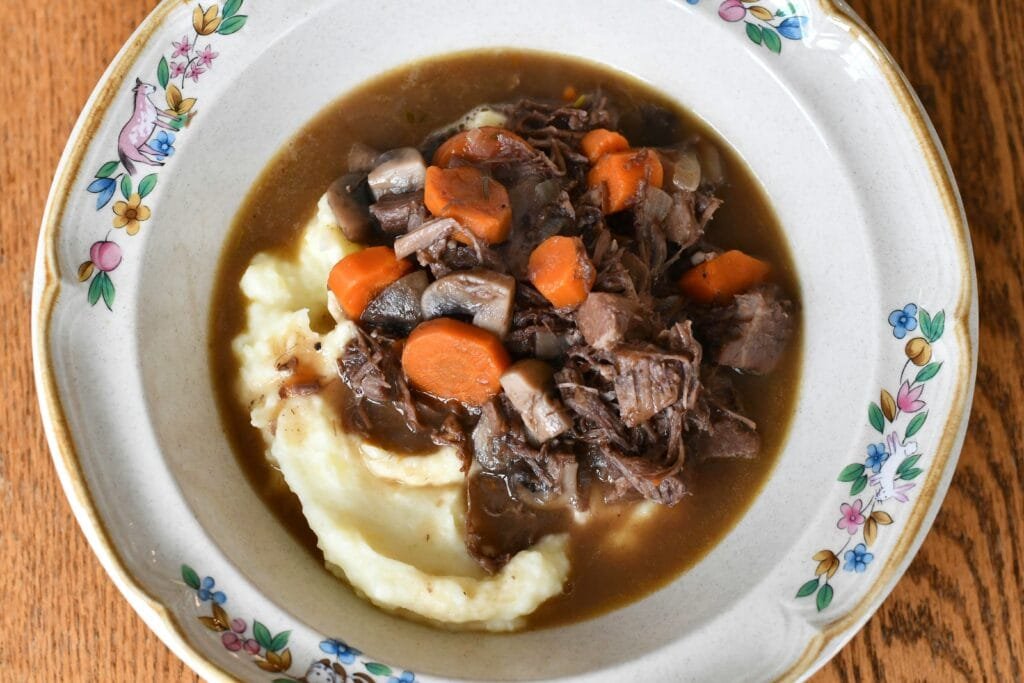
The best beef stew is hearty without being heavy. The broth should be full-bodied, the vegetables tender but not mushy, and the meat so soft that it nearly falls apart when you press it with your spoon. For about 4–6 servings, gather these simple ingredients:
Ingredients:
- 2 lbs beef chuck, cut into cubes
- 2 tbsp flour
- 2 tbsp olive oil or butter
- 1 large onion, chopped
- 4 cloves garlic, minced
- 4 cups beef broth
- 1 cup water
- 3 medium carrots, peeled and cut into chunks
- 2 medium potatoes, peeled and cubed
- 2 celery stalks, chopped
- 2 tbsp tomato paste
- 1 tsp dried thyme or a few fresh sprigs
- 1 bay leaf
- Salt and pepper to taste
Optional add-ins:
- 1 tsp Worcestershire sauce for depth
- A splash of red wine for richness
- Peas or green beans added in the last few minutes of cooking
- A pinch of smoked paprika for a smoky warmth
How to Make It
1. Brown the beef:
Pat the beef dry and toss it lightly with flour, salt, and pepper. In a large pot or Dutch oven, heat olive oil over medium-high heat. Sear the beef in batches until browned on all sides. Don’t rush this step—the browning adds a layer of deep, savory flavor.
2. Build the base:
Once the beef is browned, set it aside. In the same pot, sauté onion and garlic until fragrant and golden. Stir in the tomato paste and let it caramelize slightly.
3. Simmer the stew:
Add the beef back to the pot, then pour in the broth and water.Stir in Worcestershire sauce, thyme, and bay leaf. Bring it to a gentle boil, then lower the heat, cover, and let it simmer for about 1½ to 2 hours—or until the beef is tender enough to cut with a spoon.
4. Add the vegetables:
Add carrots, potatoes, and celery. Continue simmering uncovered for another 20–30 minutes, stirring occasionally, until the vegetables are tender and the stew thickens.
5. Taste and adjust:
Remove the bay leaf. Add more salt, pepper, or a splash of broth if needed. For extra comfort, stir in a knob of butter at the end. It gives the broth a silky finish.
What to Serve with It
Beef stew doesn’t need much, just something to soak up the broth and round out the meal. Try:
- Toasted bread or dinner rolls
- Steamed jasmine rice
- Mashed potatoes (if you didn’t already add some into the stew)
- A light side salad for balance.
And of course, a cozy blanket and your favorite show don’t hurt either.
Tips for the Best Beef Stew
Choose the right cut: Tougher cuts like chuck roast or shoulder work best. The connective tissue breaks down slowly, creating that melt-in-your-mouth texture.
Don’t skip browning: It’s what builds flavor.Those browned bits at the bottom of the pot? That’s gold.
Simmer low and slow: This isn’t a rush job.Give the stew time to develop its richness.
Thicken naturally: Letting the stew simmer uncovered near the end allows the broth to reduce slightly and concentrate the flavor.
Make It Your Own
Once you’ve mastered the basic version, try adding your own spin:
- Add mushrooms for earthiness.
- Mix in a splash of soy sauce for an umami boost.
- Toss in a handful of barley or lentils for texture.
- For a hint of sweetness, stir in a bit of honey or brown sugar near the end.
Stew is flexible and forgiving, so don’t be too afraid to try something new!
Disclaimer: The recipes and nutritional content shared on this blog are based on personal experience and general wellness principles. They are not intended to diagnose, treat, cure, or prevent any health condition. Please consult with a healthcare provider or registered dietitian before making any significant dietary changes, especially if you have allergies or health conditions.
You May Also Like: